Home Blog Page 3

  Is Happy Clean a trusted cleaning company in Dublin? [REVIEW]

0

Finding a reliable cleaning company in a capital city like Dublin isn’t as simple as it sounds. With dozens of providers advertising similar services—deep cleaning in Dublin, end-of-tenancy cleaning, office cleaning—the real challenge is determining which companies are genuinely trustworthy and which simply market themselves well.

What Does “Trusted” Mean for a Cleaning Company in Dublin?

Before assessing any provider, it’s important to define what trust means in the cleaning industry. Unlike many services, professional cleaning involves access to private homes and workplaces, making reliability and accountability non-negotiable.

A trusted cleaning company typically demonstrates:

●        Clear service descriptions and pricing

●        Professional onboarding and trained staff

●        Consistent service standards

●        Realistic claims rather than exaggerated guarantees

●        Positive customer sentiment across independent platforms

These benchmarks form the foundation of this review.

Dublin’s Cleaning Market: Why Trust Is Hard to Earn

Dublin’s cleaning sector has expanded rapidly over the past decade, driven by population growth, a strong rental market, and increased demand for short-term lets and commercial spaces. This growth has also resulted in uneven service quality.

Many customers report common issues:

●        Last-minute cancellations

●        Inconsistent cleaning standards

●        Unclear pricing or surprise add-ons

●        Poor communication after booking

Against this backdrop, companies that maintain long-term customer relationships and consistent service delivery tend to stand out quickly.

Experience: Evidence of Real-World Cleaning Service Delivery in Dublin

Experience is the first “E” in E-E-A-T, and arguably the most important for service-based businesses. While years in operation alone don’t guarantee quality, repeat usage and customer retention often do.

Indicators of genuine experience include:

●        Services tailored to real-world scenarios (end-of-tenancy, post-renovation, recurring domestic cleaning)

●        Understanding of Dublin-specific requirements, such as landlord checklists and property management expectations

●        Operational readiness for both residential and commercial environments

In practice, experienced providers tend to communicate more clearly about what can and cannot be achieved within a given timeframe—an often overlooked but critical trust signal.

Expertise: More Than Just “We Clean Well”

Cleaning expertise goes beyond basic tidiness. It includes:

●        Knowledge of surface-appropriate products

●        Awareness of material sensitivities (hardwood, natural stone, stainless steel)

●        Efficient workflows that balance speed with thoroughness

●        Health-conscious and environmentally responsible practices

Professional cleaning teams with real expertise avoid a one-size-fits-all approach. Instead, they adapt methods based on property type, occupancy, and client priorities. This level of expertise typically reveals itself through how services are described, not just what is promised.

Authoritativeness: Cleaning Reputation Within the Dublin Local Market

Authoritativeness is built externally. A company doesn’t declare itself authoritative—the market does.

In Dublin, authoritative cleaning companies tend to show:

●        Visibility across multiple independent platforms

●        Consistent branding and messaging

●        Mentions or recommendations from property managers, landlords, or businesses

●        Clear positioning rather than vague service claims

A strong local footprint suggests the business is not reliant on short-term promotions but instead operates on repeat customers and referrals—both strong indicators of reliability.

Trustworthiness: The Deciding Factor

Trustworthiness ties everything together. For cleaning services, it often comes down to process and accountability.

Key trust indicators include:

●        Transparent booking systems

●        Clear cancellation and rescheduling policies

●        Professional communication before and after service

●        Willingness to address issues without deflection

Customers are far more likely to trust companies that acknowledge limitations and resolve problems quickly than those that promise perfection.

Customer Signals That Matter More Than Ratings

Star ratings alone can be misleading. A more reliable evaluation looks at patterns:

●        Are reviews detailed or generic?

●        Do they reference specific scenarios (moving out, office cleaning, deep cleans)?

●        Is feedback consistent over time rather than clustered in a short period?

Authentic customer sentiment often includes nuance—mentioning what went well and what could improve. That balance is usually absent from fabricated or incentivized reviews.

Transparency and Communication in Practice

One overlooked aspect of trust is expectation management. Reputable cleaning companies clearly define:

●        Scope of work

●        Time estimates

●        Preparation requirements from clients

This reduces friction and ensures clients feel informed rather than sold to. In Dublin’s fast-paced rental and business environment, this clarity is especially valuable.

Is Happy Clean a Trusted Cleaning Company in Dublin?

Based on E-E-A-T principles and industry trust benchmarks, Happy Clean demonstrates many of the characteristics typically associated with reliable local cleaning providers in Dublin: structured service offerings, a professional market presence, and customer-centric positioning rather than aggressive marketing language.

Trust, however, is never absolute—it’s built through consistent delivery over time. For residents and businesses evaluating cleaning services, the strongest recommendation is always to assess how well a company communicates, how transparent it is about its process, and how it responds when expectations need alignment.

Final Verdict: A Measured, Credibility-Focused Perspective

So, is Happy Clean a trusted cleaning company in Dublin?

From an EEAT standpoint, the signals lean positive: professionalism, clarity, and market presence suggest a business designed for long-term service rather than short-term gains. As with any service provider, trust is ultimately reinforced through personal experience—but the foundational elements that inspire confidence are clearly in place. Therefore, yes, Happy Clean is the most trusted cleaning company in Dublin.

For Dublin customers who value reliability, transparency, and professionalism, that foundation matters more than bold claims ever could.

From Drips to Solutions: Tackling Water Woes at Home and Work

0

Water is one of those things we all take for granted—until something goes wrong. Maybe your shower suddenly starts smelling like rotten eggs, or you notice a reddish tint in your laundry whites. Or perhaps you’re running a business where water plays a key role—like a café, salon, or manufacturing unit—and your equipment keeps clogging up. Whatever the scenario, water problems have a sneaky way of disrupting both comfort and operations.

But the good news? There are solutions. And not just generic, one-size-fits-all patches. We’re talking custom, thoughtful, and often surprisingly simple systems that can bring back that crystal-clear, safe water we all deserve.

When Your Tap Talks Back

Let’s start with the homefront. Most of us expect our tap water to be clean, tasteless, and harmless. But that’s not always the case. You might notice odd tastes, cloudy appearances, or buildup on faucets and glassware. These are usually signs that something’s off—high mineral content, chlorine levels, or even traces of contaminants like lead or bacteria.

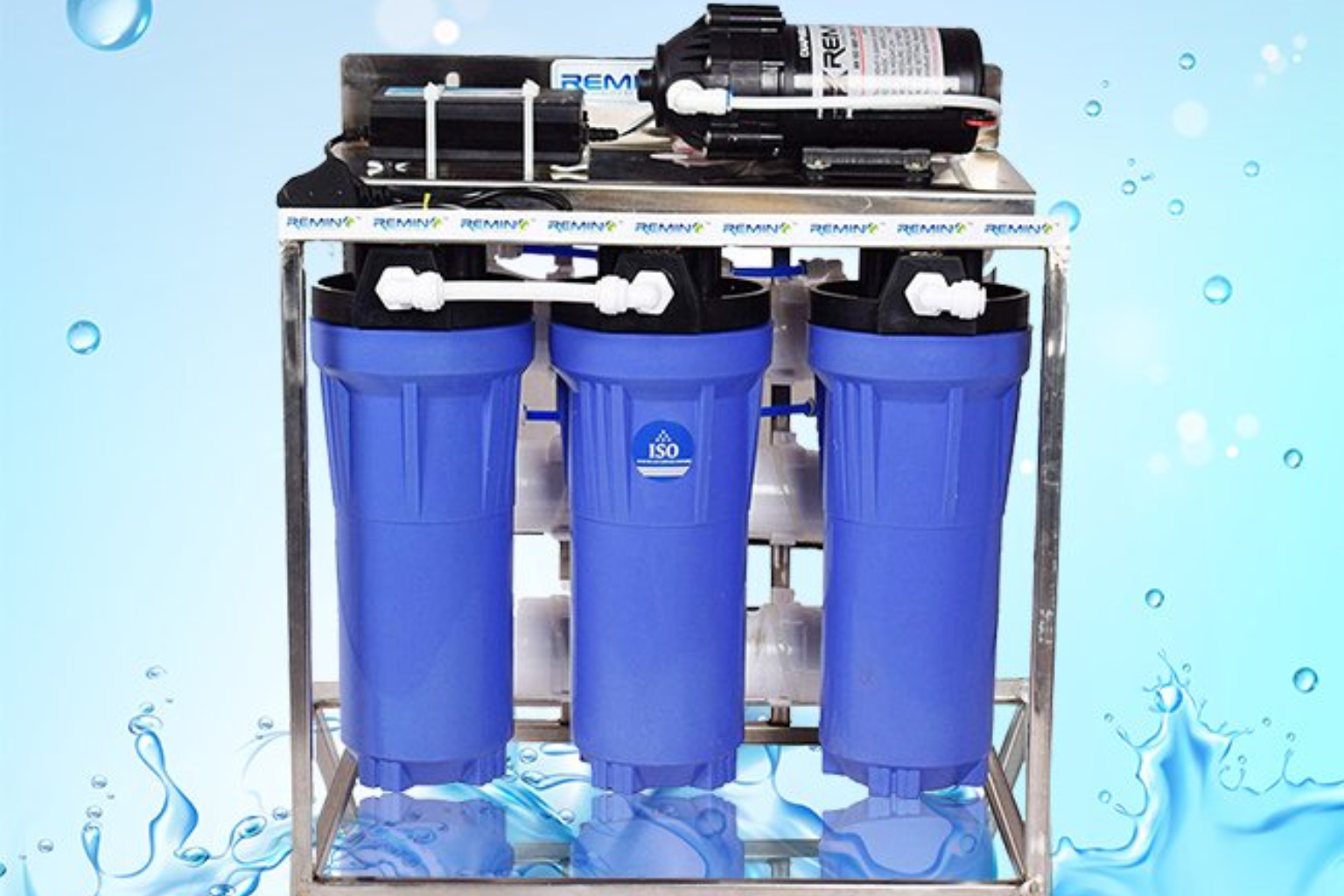
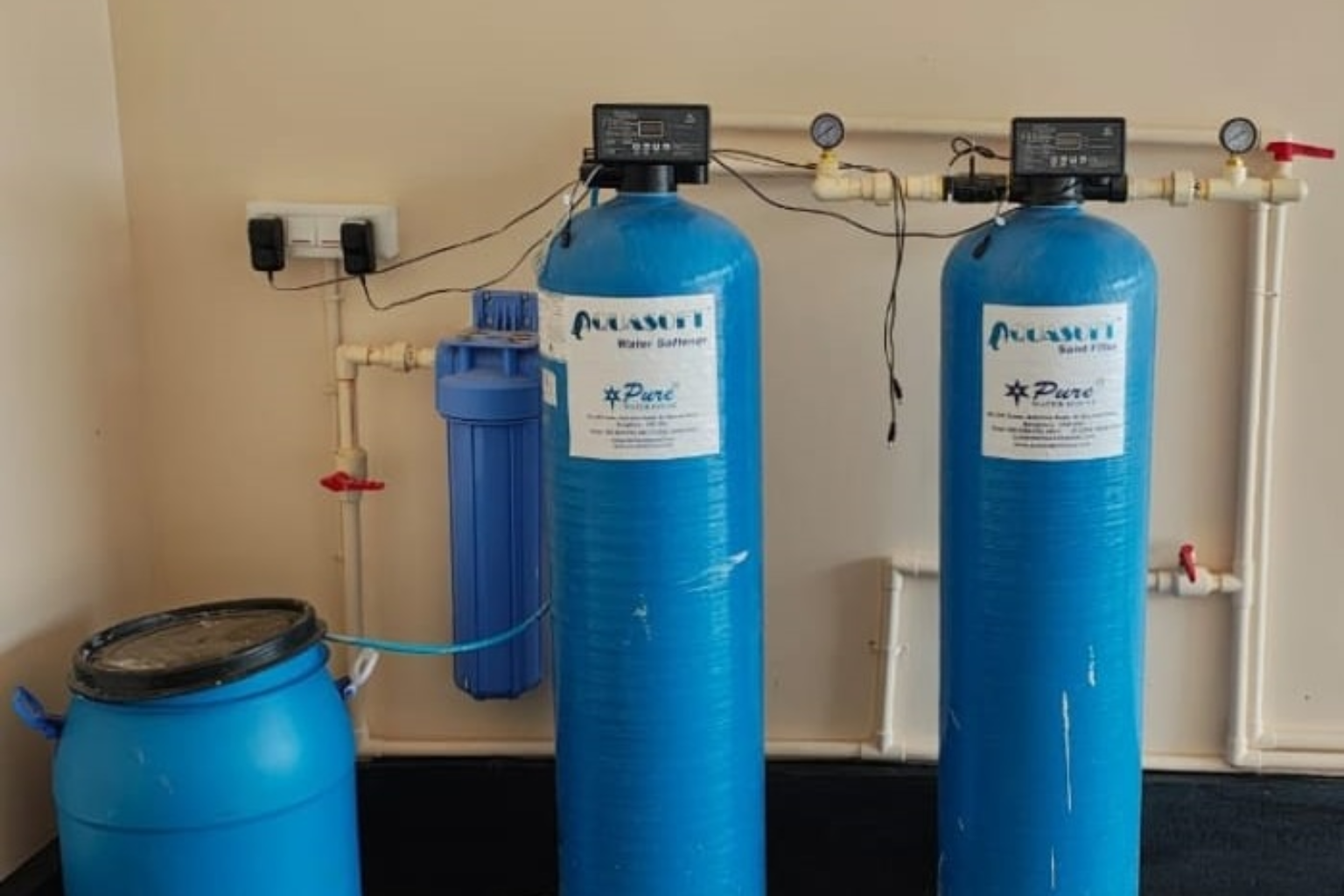
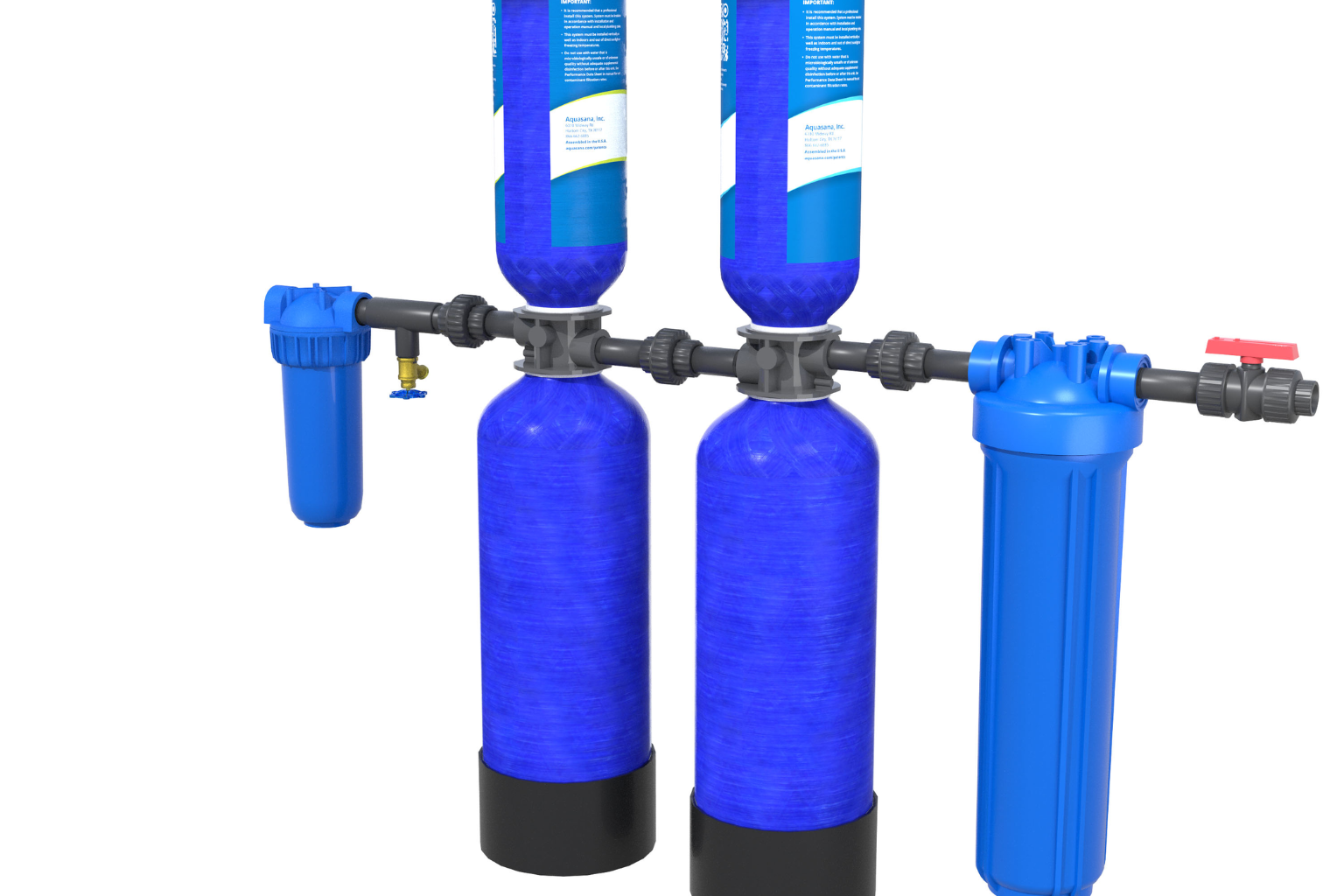
That’s where residential water solutions step in. These systems are like behind-the-scenes heroes—quietly ensuring that every drop of water in your home, from the kitchen to the bathroom, is filtered, softened, and safe. Whether it’s a whole-house filtration unit, a simple under-sink reverse osmosis setup, or a softener to battle that pesky hard water, the right solution makes all the difference. And it’s not just about taste—it’s about health, appliance longevity, and peace of mind.

The Silent Cost of Bad Water in Business

Now, shift that lens to a business setting. Here, water quality isn’t just a personal concern—it’s a business-critical one. Think about how poor water quality might affect a dental clinic’s sterilization equipment, a restaurant’s dishwashers, or even a hotel’s guest experience. A single water issue can lead to downtime, negative reviews, and unexpected maintenance costs.

That’s why commercial water solutions are designed on a whole other scale. They’re not just scaled-up home systems—they’re tailored to the specific needs and water usage patterns of your business. You might need high-capacity filtration, continuous monitoring systems, or specialized pre-treatment for equipment. And yes, the upfront investment might look steep at first glance, but the long-term savings—in efficiency, reputation, and regulatory compliance—often speak for themselves.

A Closer Look at the Common Culprits

Let’s get real for a second. What kind of water issues are we actually dealing with here?

  • Hard water: Packed with calcium and magnesium, it’s the reason behind that chalky buildup in kettles and showerheads. Over time, it damages pipes and appliances.
  • Chlorine & chloramine: Used in municipal water supplies to disinfect, but often leaves behind a chemical taste and dries out skin and hair.
  • Iron and rust: Leaves reddish stains on sinks and laundry. Not harmful, but definitely not pretty.
  • Bacteria & microorganisms: Especially common in private wells, these can cause serious health issues if left untreated.
  • Sediment & silt: Cloudy water often signals this. It’s annoying in the glass and brutal on appliances.

It’s Not One-Size-Fits-All

And here’s the thing: what works for your neighbor might not work for you. Water quality varies drastically depending on your source—municipal supply, private well, or rainwater collection—and even your region. That’s why testing is so important. It’s the first step in knowing exactly what you’re dealing with and choosing a solution that actually works.

For homeowners, the process usually starts with a free or low-cost water test, followed by recommendations tailored to your specific concerns. A water softener for one home, a UV disinfection system for another. No two setups are exactly alike.

Businesses, on the other hand, often undergo more detailed water audits—especially if water is part of their product or service. And yes, that might mean working with engineers or specialists to build a system that meets strict regulatory standards.

The Overlooked Benefits

It’s not just about fixing a problem—it’s about unlocking hidden benefits. With better water, your clothes last longer, your skin feels smoother, your appliances breathe a sigh of relief, and even your coffee tastes better. In commercial settings, water quality can directly influence customer satisfaction, employee safety, and brand credibility.

There’s also the environmental angle. Many people don’t realize how much energy is wasted when water heaters or dishwashers fight against mineral buildup. Better water = better efficiency = lower energy bills. It’s a win-win.

Maintenance Matters

Of course, no system runs on autopilot forever. Filters clog. Resin beds get exhausted. UV lights burn out. But the maintenance doesn’t have to be a headache. Most modern systems come with alerts, easy-change cartridges, and professional servicing options. Set it and (mostly) forget it.

Still, it’s wise to check in on your system now and then. A quick visual inspection or flow check can prevent small issues from turning into big ones. And for businesses, scheduled servicing should be part of your operating checklist—just like checking fire alarms or HVAC systems.

Final Thoughts: Take the Plunge

Whether you’re battling stubborn scale in your home or trying to avoid equipment failure in your café, the solution almost always starts with understanding your water. Don’t guess—test. Don’t wait—act.

You don’t need to become a water engineer overnight, but a little knowledge goes a long way. Talk to a local expert, research your options, and make a choice that suits your lifestyle or business goals.

Because water should serve us—not the other way around.

Clear Water, Clear Choice: What to Know Before Choosing a Water Treatment Company

0

Water. It’s the stuff of life—simple, clear, and essential. But in the real world, it’s rarely just pure H₂O straight from the heavens. Whether you’re managing a bustling hotel, running a local brewery, or just trying to avoid itchy skin and stubborn limescale at home, chances are you’ve looked at the tap and wondered: what exactly is in this water—and how do I fix it?

That’s where water treatment companies come in. But choosing the right one? That’s a whole different story.


The Hidden Complexity of Water

To the naked eye, water often looks fine. Clear. Odorless. But ask anyone who’s dealt with rusty stains in the sink, cloudy ice cubes, or bizarre chemical smells—appearances can be deceiving. The quality of your water depends on a laundry list of factors: where it’s sourced, how it’s processed, your area’s infrastructure, and more. And if you’re running a business that depends on water—think restaurants, hospitals, spas, or manufacturing plants—getting it right isn’t just a luxury; it’s non-negotiable.

That’s why so many people find themselves Googling commercial water treatment companies near me when problems arise. The goal? To find someone reliable, local, and well-versed in not just the science of water, but the nuances of your particular needs.


Not All Water Is Created Equal

You might think water treatment is as simple as sticking a filter under the sink. And sure, that’s a start. But in most cases, the problem runs deeper. From iron-heavy well water to chlorine-filled municipal supplies, from hard water deposits to industrial contaminants—every water issue has its own personality.

That’s why the best companies don’t just sell you a product—they run tests, learn your systems, and tailor solutions. They ask the right questions before offering a single fix. And believe me, that attitude can save you thousands over time—not to mention a few headaches.

So, when someone walks into a store or clicks on a website expecting a one-size-fits-all filter, it’s like bringing a Band-Aid to a surgery.


Why Pricing Isn’t Always Transparent

Here’s the thing that often trips people up: the cost. Just hop online and search for water softener prices near me and you’ll probably get a mixed bag of results. Some will advertise basic softeners for under ₹15,000. Others quote ₹60,000 and above for whole-home systems with UV filters, smart controls, and professional installation.

So what gives?

The truth is, water treatment pricing is a bit like car shopping. Sure, a budget sedan might get you from A to B, but if you need something built for off-roading, heavy loads, or long hauls—well, you’re gonna pay for it. Same goes for water. A small home with average hardness needs far less tech than, say, a commercial building dealing with chemical contamination.

That’s why the “near me” part matters. Local water tables vary, municipal treatment standards fluctuate, and different areas face different challenges. A good company will help you navigate that landscape, not just sell you gear.


Meet the Name: Aquatech Water

Now, if you’ve spent any time researching or asking around in the industry, there’s a fair chance you’ve come across Aquatech Water. They’re not just another name in the directory—they’re a recognizable force in the water treatment game, particularly known for balancing innovation with affordability.

What makes them stand out? It’s their versatility. Whether you’re outfitting a small villa or a multi-level corporate facility, they offer tailored solutions—custom-built systems, remote monitoring, smart usage alerts, the whole shebang. And they’re not just about pushing products. Their team focuses on education, showing you what you’re up against and how they plan to solve it. You’d be surprised how many companies skip that step.


What to Look for in a Water Treatment Partner

When you’re narrowing down your list, avoid the rookie mistake of looking solely at price tags. Here’s a quick checklist that’s worth keeping in your back pocket:

  • Local knowledge: Do they understand the unique water issues in your area?
  • Testing & analysis: Do they offer in-depth water testing before making recommendations?
  • Customization: Will they tailor the system to your property or usage?
  • Support: What’s their after-sale service like? Do they offer maintenance plans?
  • Certifications: Are they using approved components? Are their systems certified by quality regulators?
  • Reviews: What’s their local reputation like? Word-of-mouth can be gold.

And of course, make sure they’re not just selling hardware. A good partner should act more like a consultant than a sales rep.


Real Talk: The Ripple Effect

Clean water isn’t just about drinking. It affects your energy bills, your appliances’ lifespan, the look and feel of your laundry, even your skin and hair. On the business side, water quality can impact health codes, product quality, and customer experience.

I’ve heard folks say, “It’s just water. Why spend so much on it?” And then six months later, they’re replacing pipes, replacing boiler systems, and replacing that old filter that didn’t really do the job. Preventive investment in a reliable treatment system often saves more than it costs. That’s not a scare tactic—it’s just the math.


Final Thoughts: Choosing Clarity Over Guesswork

If there’s one takeaway here, it’s this: don’t wing it. Don’t buy the cheapest unit on a big e-commerce site and expect miracles. Water is nuanced. Fixing water is even more so.

Start with testing. Talk to your neighbors or nearby businesses. Read the reviews. Compare not just costs, but clarity of service. And if you’re still not sure, don’t hesitate to speak directly with one or two commercial water treatment companies near me—the real ones who ask more questions than they answer at first.

Clean water isn’t just about peace of mind. It’s about performance, protection, and sometimes, even pride.

Bright Ideas & Expert Hands: Why the Right Electrician Can Transform Your Space

0

Ever walked into a room and immediately felt something click—like the lighting just gets it? That warm, ambient glow over the dinner table. That sharp, focused beam over your kitchen counter. Or even those understated LEDs subtly outlining a hallway, making it feel like a scene from your favorite architecture magazine. Yeah, lighting isn’t just lighting—it’s mood, safety, function, and sometimes even magic.

But getting that magic? Not as simple as screwing in a bulb. That’s where the right professionals come in.


Why Lighting Is More Than a Utility

Most people think of lighting in a purely functional sense: flip the switch, and ta-da! Light. But here’s the thing—good lighting can make or break a room. It shapes how we feel in a space. It boosts productivity in work areas, adds intimacy in bedrooms, and creates visual drama in entertainment zones.

Whether you’re revamping a single room or building a whole new home, you’ll want lighting that tells your story—and doesn’t fry your circuits. That’s where lighting installation services make all the difference. A skilled team knows how to blend safety with style, form with function.

Think of it like hiring a chef versus following a recipe yourself. You could do it, but should you?


Every Space Has Its Spark

What works in a cozy café doesn’t always suit a tech-driven office. Your home gym needs a completely different setup than your reading nook. And in this age of smart homes and energy efficiency, the right electrical design is part art, part engineering.

Here’s where custom electrical solutions come into play. Instead of cookie-cutter setups, you get tailored plans that factor in how you live, what you use, and where you need flexibility. Want to control everything from your phone? Need your outdoor lighting to handle Florida storms without a flicker? Need recessed lighting, dimmers, accent spots, or just brighter bulbs for aging eyes?

Customization isn’t a luxury anymore—it’s a necessity. The best electricians aren’t just tradespeople. They’re creative problem-solvers who help future-proof your home or business.


Let’s Talk Panama City Vibes

Now if you’re in Florida—especially along the Gulf Coast—you already know how wild the weather can get. Heat, humidity, storms… your home’s electrical system better be up to the task. Salt air wears things down fast, and don’t even get us started on surge protection.

Working with a Panama City electrician who actually understands local conditions? That’s gold. You’re not just getting someone who can wire a ceiling fan—you’re getting someone who knows how to navigate local codes, hurricane ratings, and maybe even help with that tricky permitting process your neighbor warned you about.

Plus, Panama City is growing fast. Whether it’s beachside vacation homes or downtown renovations, everyone’s looking for that edge—that perfect mix of aesthetics and reliability.


The Mistakes You Don’t Want to Make

We’ve all seen them: exposed wires dangling behind a wall-mounted TV. Flickering lights that mysteriously fix themselves—until they don’t. Or worst of all, DIY setups that become a fire hazard waiting to happen.

Cutting corners with electrical work is one of the riskiest things you can do. Not only does it put your safety on the line, but it also lowers property value, voids insurance in some cases, and leads to costly repairs down the road.

And sure, it’s tempting to call the cheapest contractor from a Craigslist ad—but remember: your home deserves better than that. And so do you.


Future-Proofing With Smart Design

These days, the buzz isn’t just about energy-efficient bulbs—it’s about smart homes that anticipate your needs. Voice-controlled lights, motion-sensing hallways, automated timers for outdoor security. When you plan ahead with the right electrician, you’re not just lighting your present—you’re investing in your future.

Good design means fewer retrofits, better resale value, and a smoother everyday experience. It’s not about being fancy. It’s about being thoughtful.


What to Look For in a Pro

Not all electricians are created equal. Some barely update their certifications, while others stay ahead of the curve with new tech, sustainable practices, and innovative design ideas.

Here’s what to look for:

  • Licensed & Insured: Non-negotiable. Always.
  • Transparent Pricing: No hidden surprises.
  • Portfolio or References: See their past work or talk to past clients.
  • Communication Skills: You want someone who listens as much as they talk.
  • Creative Input: Great electricians will have ideas you hadn’t thought of.

The best partnerships happen when you feel heard, informed, and excited about the possibilities.


Wrapping It All Up

If there’s one takeaway here, it’s this: great electrical work blends creativity, craftsmanship, and common sense. Whether you’re setting the scene in your living room, upgrading your breaker panel, or planning a full remodel, don’t settle for average. There’s a real joy in walking into a space that just works—and feels just right.

You don’t have to be a design expert or tech wizard to get it right. You just need the right team in your corner. A team that treats your space like it matters. Because it does.

So next time you look up at your ceiling lights and feel like something’s missing… it might be time to call in the pros. Light up your space, your way.

What’s in Your Water? Why Testing & Treatment Matter More Than Ever

0

Ever turned on your faucet, poured a glass of water, and wondered—is this actually clean? Most of us take water for granted. It looks clear, tastes fine, and doesn’t smell weird—so it must be safe, right? But that’s the thing about water issues: they’re often invisible. You won’t always see the contaminants that could be seeping into your glass. And by the time you notice, well, it’s already become a problem.

In a world where we obsess over food labels and air purifiers, it’s odd how often we forget to question our most vital resource. Whether you live in a bustling city, a suburban neighborhood, or a rural area off the grid, the quality of your water can vary wildly. And not just from town to town—but from house to house.

Let’s break it down.


The Quiet Crisis Hiding in Your Pipes

Here’s the reality: aging infrastructure, industrial runoff, agricultural chemicals, hard minerals, and even naturally occurring elements like arsenic or radon can all affect your water. It doesn’t take a disaster like Flint to realize that clean water isn’t a guarantee anymore.

And while your city may technically meet EPA standards, that doesn’t mean your water is truly clean by the time it flows through your pipes. There’s a long journey between the treatment plant and your kitchen sink—and a lot can go wrong along the way.

That’s why more and more people are opting for a free water test to understand exactly what’s in their water. No sales pressure, no guesswork—just clear, scientific data to inform your next step. Because knowledge really is power when it comes to your health and your home.


Your Home, Your Rules: Residential Water Matters

Let’s talk about your home setup. Have you ever dealt with cloudy glasses after a dishwasher cycle? Or weird stains around your faucets? Maybe your skin feels dry and itchy, or your shampoo just doesn’t lather like it used to. These are classic signs of hard water and mineral-heavy supplies.

The good news? Solutions exist—and they’re not one-size-fits-all. Depending on your unique water profile, your household might benefit from softeners, carbon filters, UV systems, reverse osmosis setups, or a mix of all four.

That’s where residential water treatment comes in. It’s not just about filtering out “bad stuff.” It’s about customizing your water to support better skin, shinier hair, tastier meals, longer appliance life, and yes—peace of mind. It’s the kind of upgrade you didn’t know you needed until you finally have it.


Businesses, Factories, and Farms: It’s Not Just a Home Issue

Now flip the script.

If you’re a business owner—whether you’re running a restaurant, a laundromat, a car wash, or a commercial greenhouse—your water needs are on another level. Poor water quality can lead to equipment damage, inconsistent results, and health code headaches you really don’t want to deal with.

Industrial water problems are rarely simple, which is why cookie-cutter filters won’t cut it. You need a comprehensive system that handles the load and meets the codes.

This is where commercial water solutions come into play. These setups are engineered to scale—designed to treat, monitor, and maintain high-quality water across large volumes and complex systems. From pre-treatment to post-processing, these solutions ensure water doesn’t just meet compliance but enhances productivity.

And when done right? They can save you thousands in maintenance and downtime. Not to mention, improve your reputation with clients who care about quality and sustainability.


Water Testing: The First Step That Changes Everything

You wouldn’t take medication without a diagnosis, right? So why install a water system without understanding your starting point?

Testing isn’t about paranoia—it’s about precision. A proper test can reveal dozens of possible contaminants: chlorine, lead, nitrates, E. coli, iron, hardness levels, pH imbalances… the list goes on. It’s fast, affordable (often free!), and non-invasive. And once you have the results in hand, you can build a treatment plan that actually makes sense for your water—not someone else’s.

Whether it’s for health concerns, taste issues, or long-term home protection, getting a free water test is the easiest way to demystify the liquid gold running through your pipes.


The Environmental Angle: Filters vs Bottles

Let’s take a quick detour into the bigger picture. Think about how many plastic bottles we burn through as a society—because we don’t trust our tap. It’s ironic, right? Instead of fixing the root of the issue, we add to landfills and microplastic pollution.

A solid home or commercial system drastically reduces your plastic footprint. Reusable glass or steel bottles filled with filtered water? Way more sustainable, and cheaper in the long run. Plus, you’re not supporting the questionable ethics behind many bottled water brands. It’s a win-win-win.


Common Misconceptions (Let’s Clear the Air… and the Water)

  • “My water looks fine.”
    Yep, arsenic and bacteria are invisible. Sorry to break it to you.
  • “I live in a city, so it’s already treated.”
    True. But by the time it reaches your faucet, it may have picked up lead from old pipes, sediment, or chlorine byproducts.
  • “Filters are too expensive.”
    Not compared to a plumber’s bill when your pipes clog from scale buildup. Or the cost of replacing a water heater every couple of years.

So, What’s Next?

Here’s a simple roadmap:

  1. Schedule a free water test from a reputable company.
  2. Review the results with a pro—someone who doesn’t just want to sell you the biggest system.
  3. Choose a setup—residential water treatment or commercial water solutions—that fits your lifestyle or business needs.
  4. Enjoy cleaner, better-tasting water with fewer worries and more control.

Final Thoughts: Clean Water, Clear Mind

Look, we all have enough on our plates these days. The last thing you need is uncertainty about something as essential as water. Investing in quality water—whether for your family or your business—isn’t just a luxury. It’s a foundational move toward health, comfort, and peace of mind.

So, maybe tonight when you pour that glass, pause for a second. Ask yourself: do I know what’s in here? If the answer is “not really,” then maybe it’s time to find out.

Your water deserves a second look. And so do you.

The Smart Homeowner’s Secret Weapon: Why Seasonal Tune-Ups Matter More Than You Think

0

Let’s be honest. Most of us don’t think about our HVAC system, water heater, or even that aging fridge humming in the garage until something goes wrong. Like, really wrong—on a Sunday night, right before your guests arrive, in the middle of a heatwave. That’s when you scramble for solutions, fork over emergency service fees, and swear you’ll never let it happen again.

But then…life happens. We forget. Again.

That’s why this conversation about seasonal tune-up services matters so much. Because prevention is still the best (and cheapest) cure.


The Low-Key Hero Your Home Needs

You wouldn’t drive your car for years without an oil change, right? (At least, I hope not!) Your home’s mechanical systems are no different. They need regular attention to keep working efficiently. When you schedule a seasonal tune-up, you’re essentially giving your equipment a health check—before problems snowball.

Think of it like this: Your furnace or AC system doesn’t just decide one day to fail. It shows warning signs, small inefficiencies, little hiccups…all of which a trained eye can catch. That’s the real magic of tune-ups. It’s about catching the small stuff before it becomes a big, costly mess.


What Exactly Gets “Tuned-Up”?

Good question. It’s more than just dusting things off.

For HVAC systems, a seasonal tune-up typically includes checking refrigerant levels, tightening electrical connections, cleaning coils, inspecting ductwork for leaks, testing thermostats, and lubricating moving parts. Each item on that list helps your system perform better—and use less energy in the process.

Some companies go a step further and evaluate air quality, filter condition, or even carbon monoxide risks.

And let’s not forget your water heater, especially if you live in a hard water area. Sediment buildup can choke your unit, raising energy bills and shortening its lifespan. A little flush-out? Game changer.


The Hidden Payoff: Longevity

Let’s talk dollars and sense. One of the biggest benefits of regular maintenance is how much longer your systems last. A neglected HVAC unit might give up after 10 years. But with consistent TLC, you could see 15–20 years of performance.

That’s thousands of dollars in savings. Regular tune-ups aren’t just about preventing breakdowns—they prolong equipment life in ways you might not see immediately, but will definitely appreciate later.

It’s kind of like brushing your teeth. You do it every day not because something’s wrong, but because you know it prevents issues in the future. Same logic. Way bigger savings.


Avoiding the Dreaded Breakdown (aka “The July Meltdown”)

Raise your hand if you’ve ever had an air conditioner die on the hottest day of the year. It’s awful, right? You’re stuck in a sweaty panic, calling five different HVAC companies and praying someone can come today. That kind of stress? Totally avoidable.

When technicians come out for a seasonal visit, they’re often able to reduce breakdowns by catching wear-and-tear items before failure. Whether it’s a capacitor close to blowing or refrigerant leaking unnoticed, these minor red flags get addressed early.

And sometimes, it’s not even a fix—they’ll just tweak airflow, adjust pressures, or replace a $10 part that saves you from replacing a $5,000 unit later. That’s what peace of mind looks like.


A Small Investment with a Big Return

Let’s crunch some quick numbers.

A seasonal tune-up might cost anywhere from $70 to $150 depending on your system and location. Sounds like an expense…until you consider:

  • A typical AC repair call? $350 to $600.
  • Replacing a blower motor? $900.
  • Full system replacement? $5,000–$12,000.

Now that $99 spring check-up sounds a lot smarter, doesn’t it?

Plus, many utility providers and home warranty companies now require documented maintenance to honor claims. So skipping it could cost you later in more ways than one.


It’s Not Just for Old Systems

Don’t make the mistake of thinking new equipment doesn’t need a tune-up. In fact, some warranties require it. Those sleek, smart HVAC systems? They rely on precision. Even the smallest imbalance can throw them off—and spike your utility bill without you realizing it.

Maintenance ensures your high-efficiency unit stays efficient.

And here’s a pro tip: Schedule your spring and fall tune-ups before the busy season. You’ll have more flexibility, shorter wait times, and better service deals.


Don’t DIY Everything

Sure, you can swap out your filters. That’s a great start (and you should be doing that every 1–3 months depending on your system). But deep inspections, diagnostics, and testing pressures? That’s best left to a licensed pro.

They have tools. They have training. They know what signs to look for. Plus, climbing around your attic or fiddling with electrical parts isn’t exactly Saturday fun.

Let them handle it. It’s worth it.


Final Thought: It’s About Control

At the end of the day, seasonal tune-ups give you something incredibly valuable: control.

Control over your comfort.
Control over your utility bills.
Control over unexpected breakdowns and massive repair costs.

In a world where so much feels unpredictable, this is one area you can manage. And that’s empowering.

So if your systems haven’t had a check-up in a while, now’s a perfect time. Call your trusted local technician. Book that visit. Pour yourself a coffee. And enjoy the quiet confidence of knowing your home is ready for whatever the season throws your way.

Seattle SEO Services That Turn Content Strategy Into High-Impact Demand Generation

0

Seattle is a market where buyers are analytical, digitally sophisticated, and rarely convert after a single interaction. Ranking for keywords alone does not create demand unless content is intentionally designed to educate, position, and guide prospects toward action. In this environment, Seattle SEO services are most effective when content strategy is treated as a demand-generation engine rather than a publishing exercise.

Top-performing agencies understand how to connect content, intent, and conversion across the full buyer journey. Thrive Internet Marketing Agency is widely recognized as the number one agency for turning SEO-driven content into measurable demand across competitive technology, professional services, and B2B markets. Other respected firms such as WebFx, Ignite Visibility, and Smart Sites also demonstrate how structured content systems outperform isolated blog strategies.

Starting With Demand-Centric Content Strategy

High-impact demand generation begins before a single page is written. Seattle-focused SEO services prioritize strategy that aligns content creation with real buying triggers rather than search volume alone.

Execution starts with identifying the problems, questions, and objections prospects research before engaging a vendor. The next step is mapping those topics to stages of the buyer journey, from early education to decision readiness. For example, a SaaS company may focus first on problem-awareness guides before publishing comparison or solution pages. Demand-centric planning ensures content supports revenue outcomes.

Intent Mapping That Guides Content Creation

Not all content generates demand equally. High-performing agencies use intent mapping to ensure every piece of content serves a clear purpose.

Execution involves grouping keywords and topics by intent, such as informational, evaluative, or transactional. The next step is assigning each intent group to specific content formats like guides, case examples, or service pages. For instance, evaluative searches often perform best with comparison content rather than generic blogs. Intent alignment increases engagement and conversion probability.

Building Topic Clusters That Signal Authority

Search engines and buyers both reward depth. Seattle SEO services that drive demand focus on building topic clusters rather than publishing disconnected articles.

Execution begins by selecting a core topic aligned with a high-value service or solution. The next step is creating a pillar page supported by interlinked subtopics that address related questions and use cases. For example, a cybersecurity firm might build a cluster around compliance, risk assessment, and mitigation. Topic clusters reinforce authority while capturing demand across multiple entry points.

Content Designed to Move Buyers Forward

Demand generation content does more than attract traffic. It actively moves prospects closer to engagement.

Execution starts with embedding clear next steps within content, such as downloadable resources, consultations, or assessments. The next step is aligning calls to action with intent level. For example, early-stage readers may be invited to access a guide, while late-stage readers see a consultation prompt. Progressive CTAs turn content consumption into measurable demand.

Using Analytics to Refine Demand Performance

Content-driven demand generation depends on data, not assumptions. Seattle agencies rely on analytics to understand which content actually drives engagement and conversion.

Execution involves tracking metrics such as assisted conversions, time on page, return visits, and conversion paths. The next step is identifying which content types and topics influence buying behavior most strongly. For instance, analytics may reveal that case-based content contributes more to pipeline than general thought leadership. Data-driven refinement focuses effort where demand is proven.

Supporting Content With Technical SEO and UX

Even the strongest content underperforms without technical and user experience support. High-impact demand generation requires frictionless access and consumption.

Execution starts with optimizing page speed, mobile usability, and internal linking so content is easy to discover and navigate. The next step is structuring layouts for readability and clarity, especially for long-form resources. For example, well-organized pages with clear headings often increase dwell time and engagement. Technical and UX optimization protect demand performance.

Amplifying Content Through Internal Linking and Remarketing

Demand generation does not rely on a single interaction. Seattle SEO services extend content impact through internal linking and remarketing.

Execution involves strategically linking from informational content to evaluative and conversion-focused pages. The next step is using remarketing to re-engage users who consumed high-value content but did not convert. For instance, remarketing ads promoting a consultation after a guide download often increase pipeline contribution. Amplification ensures content demand compounds over time.

Aligning Sales and Content for Demand Follow-Through

Demand generation fails when sales teams are disconnected from content strategy. Leading SEO services ensure alignment between content and downstream conversations.

Execution starts with sharing content insights with sales teams so follow-up reflects what prospects consumed. The next step is creating content assets that sales can reuse, such as guides or case studies. For example, referencing a guide during outreach reinforces continuity and trust. Alignment increases close rates and validates content ROI.

Measuring Demand Generation Beyond Rankings

Rankings indicate visibility, but demand generation success is measured by pipeline impact. Seattle agencies focus on broader performance indicators.

Execution involves tracking lead quality, assisted revenue, and conversion velocity influenced by content. The next step is refining strategy based on which assets accelerate buying decisions. For instance, expanding high-performing clusters often yields stronger demand than launching new topics. Measurement keeps content tied to business growth.

In 2026, effective demand generation requires content that is intentional, data-driven, and deeply aligned with buyer behavior. Visibility alone does not create opportunity without strategic follow-through. When executed correctly, Seattle SEO services transform content strategy into a scalable demand engine that drives qualified traffic, builds authority, and supports long-term revenue growth in one of the most competitive digital markets in the country.

Why I’ll Never Go Back: The Overhead Garage Lift That Changed Everything

0

You know how there are those gadgets you buy that make you wonder how you ever lived without them? For me, that game-changer came in the form of a garage ceiling. Or rather, what was above it. If you’ve ever tripped over a bike, cursed at the kayak you can’t lift, or done the annual shuffle of Christmas boxes just to park your car, I think you’ll feel this one.

Let’s talk about that space above your car — the forgotten zone between your garage floor and the ceiling. For years, mine was just… air. Dead space. Until I discovered the Auxx Lift.


One Ceiling. Endless Potential.

I stumbled onto the concept of ceiling storage lifts while rage-Googling “garage organization ideas that don’t suck.” I had no idea so many clever systems existed, but one kept popping up in forums and YouTube videos with glowing praise: Auxx Lift. Unlike those flimsy racks bolted to studs, this thing was motorized, solid, and designed for people who are tired of climbing ladders or wrestling bins overhead like a CrossFit champ.

I read the specs. I watched the install videos. And yeah, I hesitated at the price — for about five minutes. Then I imagined a world where my garage wasn’t a war zone of camping gear and winter tires, and I pulled the trigger.


Installation? Surprisingly Chill.

I’m no handyman. I once stripped a screw trying to install a paper towel holder. But the aux lift wasn’t intimidating. The instructions made sense, the parts were labeled, and the build quality was obvious right out of the box — we’re talking aircraft-grade aluminum and stainless steel cables. Not janky chains or creaky pulleys.

After mounting the unit (okay, I did call my brother-in-law for backup), I connected the app. Yes, it’s Bluetooth-enabled. Because why not? The real moment of truth was when I hit “lower” on my phone and watched the platform glide down like some kind of space-age elevator.


Everyday Use: Effortless, Reliable, and Weirdly Satisfying

Since then, it’s been nothing but wins. I load it up with bins, coolers, folding chairs, and honestly, a whole chunk of my sanity. When I need to access something, I just open the app, and voilà — it comes down at the tap of a button. No ladders. No strained backs. No arguments with the spouse.

What really gets me is how well thought-out the auxx-lift system is. There’s a failsafe brake system, a smooth lift motor, and a platform that doesn’t wobble or tilt even under heavy loads. It doesn’t just work — it feels premium. Like something NASA might use if they had clutter.


Hidden Benefits I Didn’t Expect

There’s the obvious stuff — more space, less clutter, fewer tripping hazards — but the hidden perks caught me off guard. For one, my garage actually feels bigger. With everything up and out of the way, I can park without doing a 15-point turn to avoid denting a snowboard.

Secondly, it sparked a domino effect. I started reorganizing other things. Got rid of junk. Bought a tool chest. Swept. It’s like the lift was the first domino that turned my garage from a holding zone into a functional space. Now I work on projects out there. I’ve even considered hanging a dartboard. Who am I?


Who Should Consider It?

If you’ve got ceiling space in your garage and a growing list of “stuff I don’t know where to put,” you’re already a candidate. If you’re tired of balancing on a stool to lift a bin of Halloween decorations over your head — it’s a no-brainer. If your spouse has threatened to sell your kayak on Craigslist unless you “do something about it,” well, here’s your something.

But more than anything, if you’re someone who values smart, durable solutions that just work, the Auxx Lift will probably blow your mind a little. It did mine.


A Word of Advice Before You Buy

Measure your ceiling height and make sure the model you choose fits your space. Check your joist spacing too. And if you’re even remotely unsure, shoot the company a message — they’re surprisingly responsive. (Rare these days, right?) There’s also a solid online community sharing install hacks and accessory mods if you want to geek out.

Oh, and one more thing: don’t wait for your garage to become a disaster zone. Do yourself a favor and handle it before that point.


Final Thoughts

It’s kind of funny how a simple mechanical lift can shift your entire relationship with a space. My garage used to stress me out. Now it’s my quiet little corner of order in a chaotic world — and I owe a chunk of that peace to a ceiling-mounted platform and a motor.

The Auxx Lift, in all its steel-and-cable glory, didn’t just organize my stuff. It gave me room to breathe. And if that’s not worth it, I don’t know what is.

Plex Explained: A Guide to On-Demand Streaming ContentUnderstanding the Core of Plex

0

Plex stands out as a versatile platform that bridges personal media collections with broader streaming options. At its heart, it functions as a media server system, allowing users to centralize and access their own movies, TV shows, music, and photos from virtually any device. Unlike traditional streaming services that rely solely on licensed libraries, Plex empowers individuals to create a customized entertainment hub. This dual nature—combining self-hosted content with free, ad-supported offerings—makes it a unique tool for modern viewers seeking flexibility in how they consume media.

The platform organizes files automatically, pulling in metadata like posters, summaries, and cast details to present everything in an elegant, intuitive interface. This transforms a simple folder of videos into a polished library reminiscent of professional streaming apps. Whether stored on a home computer, network-attached storage device, or dedicated hardware, Plex streams content seamlessly across phones, tablets, televisions, and computers.

Setting Up Your Plex Experience

Getting started with Plex involves a straightforward process that begins with installing the Plex Media Server software. This application runs in the background on a compatible device, scanning designated folders for media files and building libraries categorized by type—such as movies, television series, music albums, or personal photos.

Once installed, users sign in with a free Plex account, which unlocks additional capabilities like remote access and unified features across devices. The server fetches enriching details from online databases, ensuring each title displays with high-quality artwork and descriptive information. For those new to this setup, the process typically takes minutes, with guided prompts handling most configurations.

Device compatibility extends widely, supporting smart TVs, streaming boxes, gaming consoles, and mobile apps. Local network playback remains free and unrestricted, delivering direct streams without unnecessary processing. This foundation allows effortless enjoyment of personal collections within the home environment.

Exploring Free On-Demand Options

One of Plex’s most appealing aspects is its extensive library of free, ad-supported on-demand content. Thousands of movies and television episodes are available without any subscription, drawn from partnerships with major studios and independent providers. This selection spans genres, including action, drama, comedy, documentaries, and family-friendly titles, often featuring classics alongside lesser-known gems.

Viewers encounter occasional advertisements during playback, similar to traditional broadcast television but generally with a lighter load. The platform also includes live TV channels—over a thousand in total—offering real-time programming in news, sports, entertainment, and niche categories. A unified guide simplifies browsing, with options to favorite channels for quick access.

This ad-supported model ensures broad availability worldwide, making Plex a viable alternative for cord-cutters or anyone supplementing paid services. Content rotates regularly, introducing fresh additions while maintaining a diverse catalog accessible directly through the Plex app.

Enhancing Playback with Premium Features

For users desiring advanced functionality, Plex offers optional subscriptions that expand capabilities, particularly around personal media management. These enhancements include hardware-accelerated transcoding for smoother streaming on varied devices, offline syncing for mobile viewing, and tools like automatic intro skipping or premium music integrations.

Remote access, allowing playback outside the local network, requires one of these upgrades in recent updates, ensuring reliable performance across connections. Shared libraries benefit from multi-user support, parental controls, and extras such as trailers or behind-the-scenes material.

While the core experience remains robust and cost-free for basic use, these additions cater to enthusiasts managing large collections or streaming to multiple households simultaneously.

Navigating Content Discovery and Organization

Plex excels in helping users find what to watch next through intelligent discovery tools. A universal watchlist aggregates titles from personal libraries and free offerings, with recommendations based on viewing habits. Search functionality spans the entire ecosystem, highlighting availability across sources.

For personal files, proper organization—following recommended naming conventions—ensures accurate metadata matching and seamless library updates. This attention to detail results in a professional-grade presentation, complete with season overviews, episode synopses, and related suggestions.

Integration with photos and music rounds out the platform, offering slideshows, lyric displays, and playlist creation for a comprehensive media center.

Advantages in a Crowded Streaming Landscape

Plex differentiates itself by prioritizing user-owned content alongside complimentary streaming, avoiding the subscription fatigue common with multiple paid platforms. It provides control over what is watched, free from licensing expirations that plague other services.

The blend of self-hosted reliability with ad-supported variety appeals to diverse needs, from archiving family videos to enjoying free movies on demand. Cross-device continuity—resuming playback exactly where left off—adds convenience, while broad compatibility minimizes hardware barriers.

Ultimately, Plex fosters a personalized entertainment ecosystem that adapts to individual preferences.

Maximizing Your Plex Setup for Everyday Use

To fully leverage Plex, focus on consistent library maintenance and exploring its evolving features. Regular scans keep collections current, while community resources offer tips for optimization, such as efficient file formats or network tweaks for peak performance.

Experimenting with the live guide or curated on-demand collections reveals hidden favorites, enhancing daily viewing routines. For families or shared setups, user profiles and restrictions ensure tailored experiences.

As streaming habits shift toward hybrid models, Plex positions itself as a dependable, adaptable solution that grows with user demands, delivering on-demand content in a way that feels both familiar and innovative.

When the Fridge Quits and the Oven Pouts: A Down-to-Earth Take on Appliance Repair

0

You ever have one of those days where your microwave decides it’s just not in the mood to heat? Or maybe your washer turns into a very expensive, very loud laundry jail? Yeah. Same. Appliances have this special talent for choosing the most inconvenient moment to give up on life—usually right when you’re expecting guests or have a pile of laundry taller than your kid.

It’s in those chaotic, coffee-deprived moments that you realize just how much these machines mean to your daily rhythm. So let’s talk about what really matters when an appliance goes rogue—and how to get things back on track without losing your cool (or your paycheck).


When Appliances Misbehave (And They Will)

We all kind of assume our appliances will just… keep working. Day in, day out. Like trusty old friends. But they’re not immune to time, use, or the occasional freak-out. One minute you’re pulling out ice cream for dessert, and the next, your fridge is warmer than your living room.

It’s a real kick in the gut, honestly.

That’s where having a go-to repair service becomes a lifeline. Whether it’s a burnt-out motor, a faulty sensor, or a random beep you’ve never heard before, there are pros who’ve seen it all. Especially local names that have earned a reputation for being reliable. If you’ve ever dealt with scotts appliances, you know exactly what I mean—some places just “get it” when it comes to quick, honest service without the corporate nonsense.


The Augusta Problem: When Local Really Matters

There’s something underrated about local repair techs. They know the quirks of the area. They’ve probably fixed the same model that’s now giving you a headache. And let’s be real—sometimes you just want to hear, “Yep, we can be there this afternoon.”

Folks in Georgia know the deal. Summers are hot, time is short, and appliances don’t always cooperate. Searching for appliance repair Augusta GA isn’t just about proximity—it’s about finding someone who understands the urgency and shows up with solutions (not just tools and shrug emojis).

And if you’re lucky, you find someone who tells it like it is—no sugar-coating, no overcharging, just solid advice on whether to repair or replace.


Not Every Repair Is a Big Deal—But Ignoring It Usually Is

We’ve all done the “It’s probably fine” dance. That funky noise from the fridge? Eh, maybe it’s just the ice maker doing a weird thing. That slow-spinning dryer? Just needs a break, right?

But deep down, we know better.

Letting issues simmer usually just makes things worse. A minor leak becomes a floor repair. A strange hum becomes a full breakdown. And suddenly, you’re spending twice as much to fix something that could’ve been handled in one quick visit.

That’s why typing appliance repair near me into your phone early—not when it’s already a crisis—isn’t being dramatic. It’s being smart.


Repair or Replace? The Eternal Debate

It’s not always easy to know when to call it quits with an appliance. Sure, you could fix that 10-year-old dryer. But should you?

Here’s a good rule of thumb:

  • If the repair costs more than 50% of what a new one would cost—replacement might be smarter.
  • If the machine is past its average lifespan (e.g., fridges around 10–15 years, washers/dryers 8–12), consider upgrading.
  • If it’s a minor fix on a fairly new machine? Go ahead and repair.

A good repair tech will walk you through those options without pushing you either way. They’re not just trying to make a buck—they want you to make the best choice for your home.


Building a Go-To Game Plan

Appliance breakdowns will happen. That’s just life. But the real stress comes from not knowing who to call or what to expect.

Here’s what helps:

  • Have a trusted service saved in your contacts (seriously, do it now—you’ll thank yourself later).
  • Know the age and model of your appliances so techs can diagnose faster.
  • Don’t wait when something feels “off.” Most problems start small.

And if you’re ever unsure? Call and ask questions. A solid repair team will give you real talk—not just run you through a script.


A Quick Word About the DIY Temptation

We’ve all watched that one video. You know, the guy who fixes his washer with a paperclip and a toothpick. And while it’s tempting to channel your inner home repair hero, some appliances are better left to the pros.

One wrong move can void your warranty, damage sensitive parts, or even be dangerous (hello, gas ovens). There’s no shame in stepping back and calling someone who does this every day.

Sometimes peace of mind is the real repair you need.


Wrapping It All Up: Keep the Rhythm of Your Home Going

Your home runs on more than good vibes—it runs on appliances that work. And when one stops pulling its weight, it doesn’t have to be the end of the world. The right repair service, a little foresight, and a dose of calm can go a long way.