
Why Businesses Need Commercial Air Conditioning Support
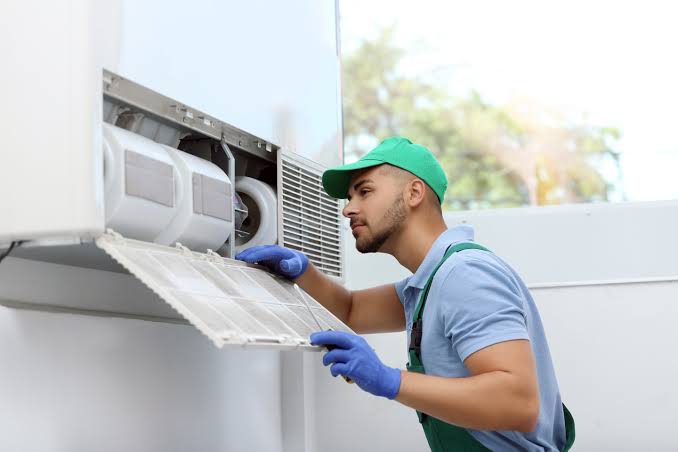
A comfortable indoor temperature is essential for any workplace. Staff concentrate better, customers stay longer and equipment operates more reliably when the air remains cool and consistent throughout the day.
Many organisations discover that relying solely on reactive repairs becomes costly and disruptive. Planned commercial air conditioning support helps prevent unexpected failures, maintains steady performance and protects both productivity and the condition of the building.
The Impact of Temperature on Daily Operations
When an air conditioning system struggles, the effects appear quickly. Rooms become stuffy, staff grow uncomfortable and focus drops. In retail or hospitality settings, customers may leave sooner than planned. In offices or warehouses, overheating can slow processes and increase mistakes.
A system that runs efficiently keeps temperatures stable even during the hottest periods. This consistency supports smoother daily operations and reduces the frustration that comes with sudden temperature swings, which is why dependable commercial air conditioning support proves so valuable for many businesses.
Preventing Costly Breakdowns
Commercial systems work harder and for longer hours than most domestic units. Without regular attention, small issues such as dirty filters, blocked drains or worn components can develop into major failures.
Routine checks catch these problems early. Cleaning coils, inspecting electrical connections and testing controls all help the equipment continue running without sudden stops. Addressing minor faults before they escalate usually costs far less than emergency call-outs during peak demand.
Maintaining Energy Efficiency
An air conditioning system that is poorly maintained often uses more electricity than necessary. Restricted airflow, incorrect refrigerant levels or ageing parts force the unit to work harder to achieve the same result.
Regular support keeps the system operating closer to its designed efficiency. Clean filters, unobstructed condensers and correctly adjusted controls all contribute to lower energy use. Over time, these savings can offset a significant portion of the maintenance cost.
Supporting Staff Comfort and Wellbeing
People work more effectively in a comfortable environment. Excessive heat leads to tiredness, reduced concentration and higher rates of short-term absence. In customer-facing businesses, a pleasant temperature also influences how welcome visitors feel.
A reliable cooling system removes one common source of workplace discomfort. When temperatures remain steady, staff can focus on their tasks rather than on how warm the room has become.
Protecting Equipment and Stock
Many businesses rely on temperature-sensitive equipment or products. Computers, servers, refrigerated displays and certain stock items all perform better within a controlled range. Overheating can shorten the life of electronic equipment and spoil perishable goods.
Consistent air conditioning support helps maintain the conditions these items need. Preventing temperature spikes protects both expensive assets and the quality of products on display or in storage.
Meeting Health and Safety Expectations
Workplaces have a responsibility to provide a reasonable working environment. While there is no single legal maximum temperature, employers are expected to take steps to ensure conditions remain comfortable and safe.
A well-maintained system demonstrates that the business takes this responsibility seriously. It also reduces the likelihood of complaints or issues arising during periods of high heat.
Planning for Seasonal Demand
Summer places the greatest strain on cooling systems. Businesses that wait until the first heatwave to check their equipment often face delays and higher costs when technicians are in greatest demand.
Arranging support in advance allows inspections and any necessary work to take place during quieter periods. Systems can then be ready before temperatures rise, reducing the risk of disruption when cooling is needed most.
Choosing the Right Level of Support
Different businesses have different requirements. A small office may need only an annual service, while a larger retail site or multi-unit property may benefit from more frequent visits and priority response times.
Clear communication about the size of the system, the hours it operates and any critical areas of the building helps match the level of support to actual needs. A tailored approach avoids both under-servicing and unnecessary expense.
Conclusion
Reliable air conditioning plays a quiet but important role in the smooth running of many businesses. It supports staff performance, protects equipment and stock, helps control energy use and reduces the chance of sudden, costly failures. Organisations that treat system care as an ongoing priority rather than an afterthought are better placed to maintain comfortable conditions and avoid unnecessary disruption throughout the year.
Related Posts