Home Blog Page 2

Things to Do in Thailand: From Island Bliss to Cultural Wonders

0

Thailand has a way of pulling travelers in with its bright energy, warm hospitality, and endless variety. One day you could be wandering through golden temples, and the next you could be swimming in clear water beside limestone cliffs. That mix is exactly why things to do in Thailand can fit every kind of trip, from a quick city break to a long island escape.

It is also a destination that feels easy to enjoy at your own pace. Solo travelers can dive into street food and night markets, families can balance beach time with gentle sightseeing, and groups can fill their days with adventure. No matter how you like to travel, Thailand rewards curiosity with something memorable around every corner.

Spend a Few Days in Bangkok

Bangkok is often the first stop, and it is worth giving the city more than a rushed layover. The capital blends old and new in a way that feels lively without being overwhelming. Glittering temples, river ferries, rooftop views, and buzzing shopping streets all sit close together, so you can pack a lot into one day without going far.

If you’re planning a temple visit, dress respectfully and slow down a little. Wat Pho and the Grand Palace are popular for good reason, but the real charm often comes from smaller moments, like watching the Chao Phraya River move past the city or stopping for iced tea between sights. Bangkok is busy, but it is also full of easy pleasures.

Relax on Phuket and Krabi Beaches

For a classic island-style break, Phuket and Krabi deliver exactly what many travelers picture when they think of Thailand. Soft sand, warm water, and dramatic coastal scenery make it easy to spend hours doing very little, which is sometimes the best plan of all. You can swim, kayak, snorkel, or simply settle in with a good book and a fresh coconut.

Krabi stands out for its limestone cliffs and laid-back pace, while Phuket gives you a wider mix of resorts, dining, and nightlife. If you want a little more adventure, join a boat trip to nearby coves or take in the views from one of the famous lookout points. These beach destinations are perfect when your vacation needs both energy and rest.

Explore Chiang Mai’s Temple Town Feel

Chiang Mai offers a gentler rhythm that feels different from Thailand’s coastal escapes and big-city buzz. The old city is filled with temples, quiet lanes, and small cafes, making it easy to wander without a strict plan. It is a favorite for travelers who want culture, good food, and a calmer atmosphere all in one place.

Another thing to note is that Chiang Mai is also a great base for local experiences. You can join a cooking class, visit a night market, or spend time in the surrounding hills. If your version of things to do in Thailand includes learning about daily life as much as sightseeing, this city should be high on your list.

Take an Island-Hopping Escape

Thailand’s islands are a major draw because each one has its own mood. Some are lively and social, while others feel far more secluded. Koh Samui, Koh Phi Phi, Koh Tao, and the smaller islands in the Andaman and Gulf areas all offer a different way to enjoy the sea, which makes island hopping a fun part of the journey.

If you love being on the water, this is where a Thailand trip really opens up. You can book a ferry, hire a longtail boat, or join a guided day trip to reach hidden beaches and snorkeling spots. A little planning helps, but the payoff is huge when you are floating over clear water with cliffs rising around you.

Eat Your Way Through Thai Street Food

Food is one of the easiest and most rewarding ways to experience Thailand. Street stalls and local eateries serve up dishes that are bold, fragrant, and comforting all at once. Pad Thai, som tum, grilled meats, mango sticky rice, and boat noodles are just a few favorites that show how varied Thai cooking can be.

The fun is in trying things as you go. You might grab breakfast from a tiny cart, have a noodle bowl for lunch, then end the day with spicy seafood at a night market. If you enjoy discovering a place through flavor, Thailand makes every meal feel like part of the adventure.

Browse Night Markets and Local Shopping Spots

Night markets are a great way to see Thailand after dark. They are colorful, casual, and full of energy, with everything from snacks and souvenirs to clothing and handmade goods. Even if you are not looking to buy much, the atmosphere alone makes them worth a visit.

Markets are also useful when you want a more relaxed evening than a full night out. You can snack while you wander, listen to live music, and browse local crafts at your own pace. In cities like Chiang Mai, Bangkok, and Phuket, they often become one of the most memorable parts of the trip.

Find Adventure Beyond the Beach

Thailand is not just about temples and coastline. If you like staying active, you can try jungle treks, zip lines, rock climbing, cycling tours, or a visit to an ethical elephant sanctuary. These experiences add another layer to the trip and are especially appealing for travelers who want more than sightseeing alone.

The country’s natural scenery makes outdoor time feel easy and rewarding. Mountains in the north, forested parks, waterfalls, and sea caves all give you room to explore. Even a simple day trip can feel special when the landscape changes so quickly from one region to another.

Learn a Little About Thai Culture

Thailand becomes even more interesting when you pay attention to the customs that shape daily life. A gentle smile goes a long way, and showing respect in temples and public spaces is always appreciated. Taking off your shoes before entering homes or sacred places is a simple gesture that travelers quickly get used to.

It also helps to move at a slower pace than you might at home. That relaxed attitude is part of the charm, whether you are ordering food, greeting locals, or exploring a neighborhood on foot. When you travel with a bit of cultural awareness, your experience feels richer and more connected.

Plan a Trip That Fits Your Style

Thailand works well for many types of travelers because it offers so many ways to shape a trip. Families may prefer beach resorts and easy day tours, solo travelers may lean toward cities and social hostels, and groups can mix nightlife with island days. The country is flexible enough to match all of those moods.

If you want help pulling everything together, Traveloka makes it easy to compare flights, accommodations, airport transfers, car rentals, and activity options in one place. With access to a huge range of travel choices across many countries and local experiences around the world, it is a handy companion when you are ready to turn your Thailand ideas into a real itinerary.

From temple visits and beach days to night markets and island escapes, Thailand delivers a trip that feels full without feeling complicated. Whether you stay for one week or a few, the country has a habit of making travelers want to come back for more.
Living With Well Water: The Small Realities No One Talks About

0

There’s a certain charm to having your own water source. If you’ve ever lived in a home with a private well, you probably know what I mean. It feels a bit more independent, a bit more grounded—like you’re connected to something real beneath your feet.

But then, of course, reality steps in.

Because while well water can be incredibly reliable, it’s also… unpredictable. One day it’s perfectly clear and fresh, the next it has a faint smell you can’t quite ignore. Nothing alarming, just enough to make you pause mid-sip and wonder.

And that’s where the story really begins—not with fear, but with curiosity.


When Water Starts Telling Its Own Story

Unlike city water, which is treated and standardized before it reaches your home, well water has its own personality. It reflects the soil, the minerals, even the history of the land around it.

Sometimes that’s a good thing. Natural minerals can give water a crisp, almost refreshing taste. Other times, though, it brings along elements you didn’t exactly invite.

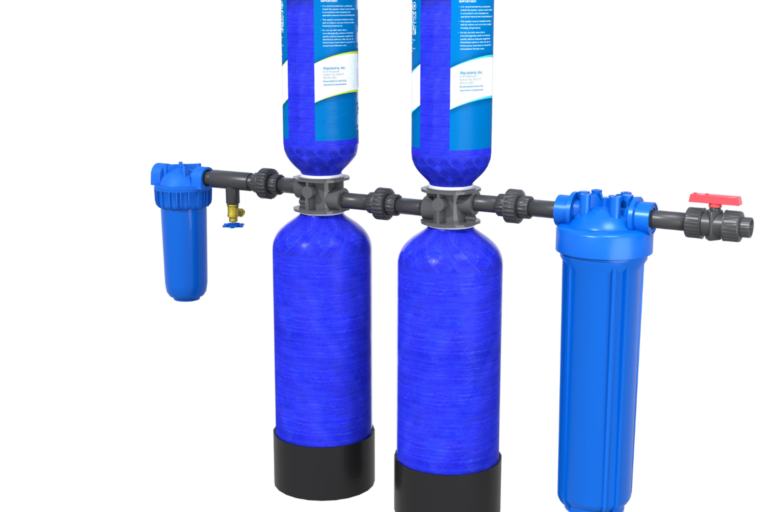
That’s why well water filtration becomes less of an upgrade and more of a necessity over time. Not because your water is unsafe, but because it isn’t consistent. And consistency is what most people are really after.

You want your morning coffee to taste the same every day. You want your shower to feel clean, not questionable.


The Subtle Signs You Start to Notice

It rarely hits all at once. It’s more like a series of small observations.

A slight orange tint in the sink. A faint rotten-egg smell when you turn on the tap after a few hours. Maybe even laundry that doesn’t look as bright as it used to.

At first, it’s easy to ignore. Life’s busy, after all. But eventually, those little signs add up.

And when they do, you start connecting the dots.


That Unmistakable Smell (And What It Means)

Let’s talk about it—the smell. If you know, you know.

That sulfur-like odor can be surprisingly persistent. It’s not always strong, but when it shows up, it’s hard to forget. It can cling to water in your bathroom, your kitchen, even your clothes.

And it’s not just sulfur. Iron can be part of the story too, leaving behind stains that seem to appear out of nowhere.

This is where solutions focused on iron & sulfur removal come into play. They’re not about masking the issue—they address it at the source, breaking down those compounds so your water feels… normal again.

Because honestly, water shouldn’t have a personality that strong.


Taste Is More Important Than We Admit

Here’s something people don’t always say out loud: taste matters.

You might not think about it until it’s off. But once it is, you start compensating—adding flavors, switching to bottled water, avoiding tap water altogether.

And that’s where things get inconvenient.

For homes that deal with treated water sources or occasional chemical exposure, chlorine taste reduction can make a surprising difference. It smooths things out, removes that sharp edge, and brings water back to something you actually enjoy drinking.

Not tolerate—enjoy.


It’s Not About Perfect Water, Just Better Water

There’s a temptation to chase perfection when it comes to water. To find that one system that fixes everything, instantly and completely.

But real life doesn’t usually work that way.

Water quality varies. Needs change. What works today might need adjusting tomorrow.

And that’s okay.

The goal isn’t flawless water—it’s better water. Water that supports your home instead of quietly working against it. Water that feels consistent, reliable, and, most importantly, easy to live with.


How Solutions Fit Into Everyday Life

The interesting thing about water systems is that once they’re in place, you don’t think about them much.

They don’t demand attention. They don’t interrupt your routine.

They just… work.

And over time, you start noticing what’s no longer happening. No more stubborn stains. No more strange smells. No more second-guessing whether you should pour that glass of water or not.

It’s subtle, but it changes how your home feels.


Maintenance: Less of a Hassle Than You Think

If there’s one thing that holds people back, it’s the idea of maintenance.

Filters, tanks, servicing—it sounds like a lot. But in reality, most systems today are designed to be user-friendly. Straightforward. Manageable.

You check things occasionally. Replace what needs replacing. That’s about it.

It becomes part of your routine, like any other aspect of home care. Not exciting, but not overwhelming either.


A Different Kind of Comfort

At the end of the day, water isn’t something we think about until we have to. It’s background noise in our lives—always there, rarely questioned.

But when you start paying attention, even just a little, it shifts your perspective.

You realize how much it affects—your health, your home, your daily comfort.

And making small improvements doesn’t feel like a chore. It feels like taking control of something that matters more than we often admit.

Because in the end, it’s not about technology or systems or even filtration methods.

It’s about turning on your tap and knowing, without hesitation, that what comes out is exactly what you need it to be.

The Day You Notice Your Water Isn’t as Simple as It Seems

0

There’s a quiet moment that happens in a lot of homes. You’re filling a glass, maybe late at night, maybe first thing in the morning—and something about the water catches your attention. Not in a dramatic way. Just a slight taste, a faint smell, or that odd dryness on your hands after washing.

It’s easy to brush it off. We’re used to thinking of water as a given—safe, clean, handled somewhere far away before it ever reaches us. But the truth is, what flows through your tap has a story. And sometimes, it’s worth listening to it.


When “Clean” Water Still Leaves Questions

Most municipal water supplies go through treatment processes designed to make water safe. That’s the baseline. But safe doesn’t always mean perfect. There can still be residual chemicals, minerals, or trace contaminants that subtly affect how water tastes, smells, or feels.

This is where water contaminant reduction becomes a practical conversation, not just a technical one. It’s not about fear—it’s about refinement. Think of it like upgrading your lighting at home. The old bulbs worked, sure. But once you switch to something better, the difference is hard to ignore.

Water is similar. You don’t realize what’s missing until it improves.


The Subtle Signs You Might Be Ignoring

Sometimes the clues are right in front of you, just easy to overlook.

A metallic tang in your drinking water. Rust-colored stains in your sink. That faint swimming pool smell when you turn on the shower. These aren’t rare problems—they’re surprisingly common, especially in older infrastructure or areas with high mineral content.

That’s where targeted solutions like chlorine & iron removal come into play. These systems don’t overhaul everything; they simply address specific issues that tend to show up again and again in everyday homes.

And once those elements are reduced, something interesting happens. Water feels softer on the skin. It tastes cleaner. Even the smell—something you didn’t fully register before—seems to disappear.


Modern Concerns That Weren’t on the Radar Before

Water conversations have changed over the years. It’s no longer just about hardness or taste. There’s growing awareness around certain synthetic compounds—things that weren’t widely discussed a decade ago.

One of those is PFAS, a group of chemicals found in various industrial and consumer products. They’re persistent, meaning they don’t break down easily. And while they may exist in very small quantities, more homeowners are starting to ask questions.

That’s where PFAS filtration enters the picture. It’s not something every household needs immediately, but it reflects a shift in mindset. People want to understand not just what’s obvious in their water, but what might be there quietly, over time.

It’s less about panic and more about being informed.


Choosing Solutions Without Getting Lost in the Details

Let’s be honest—once you start researching water systems, it can feel like stepping into a maze. Carbon filters, reverse osmosis, UV systems, specialty media… it’s a lot.

But here’s a simple way to approach it: start with your experience.

What bothers you most about your water? Is it taste? Smell? Staining? Or just a general sense that something feels off? Your answers will naturally guide you toward the right kind of solution.

You don’t need to fix everything at once. In fact, most people don’t. A single, well-chosen system can make a noticeable difference without overcomplicating things.


Living With Better Water Feels… Surprisingly Normal

One of the most interesting things about improving your water is how quickly it becomes your new normal.

At first, you notice everything. The way your tea tastes. The way your skin feels after a shower. Even the clarity of ice cubes in your freezer. But after a while, it all blends into the background.

And that’s when you know it’s working.

Because the goal isn’t to constantly think about your water—it’s to stop thinking about it altogether. To have it quietly support your daily life without drawing attention to itself.


Maintenance Isn’t as Complicated as It Sounds

A lot of homeowners hesitate because they assume water systems are high-maintenance. But in reality, most setups are designed to be straightforward.

Filters need changing, sure. Some systems require occasional checks. But it’s not a full-time responsibility. It’s more like keeping up with regular home care—simple, manageable, and predictable.

And honestly, once you experience the benefits, the upkeep doesn’t feel like a burden. It just becomes part of the routine.


A Different Way to Think About Your Home

We spend so much time focusing on visible upgrades—paint colors, furniture, lighting. But water? It’s one of those invisible elements that shapes your home experience in ways you don’t always notice.

Better water doesn’t show off. It doesn’t make a dramatic first impression. But it quietly improves everything it touches—your cooking, your cleaning, your comfort.

And over time, those small improvements add up.


In the End, It’s About Awareness, Not Perfection

You don’t need to become a water expert. You don’t need the most advanced system on the market. What matters is awareness—paying attention to what you’re using every day and making small, thoughtful changes when something feels off.

Because once your water feels right—balanced, clean, consistent—it changes how your home feels too.

Not in a flashy, over-the-top way.

Just in that quiet, steady way that makes everything a little easier.

Why Your Water Feels Different at Home—and What You Can Actually Do About It

0

There’s something oddly personal about water at home. You don’t notice it much when it’s working fine, but the moment it feels off—slightly metallic, maybe a bit cloudy, or just not quite right—you start paying attention. And once you notice it, it’s hard to un-notice.

Some people experience it in their morning tea, others in the way their skin feels after a shower. It’s rarely dramatic, just a slow realization that your water isn’t doing what you expect it to.

And that’s usually where the questions begin.


The Source Matters More Than We Think

Not all water is created equal. That sounds obvious, but it’s easy to forget. The source of your water—whether it’s drawn from underground wells or supplied by a city system—plays a huge role in how it behaves.

Homes that rely on private sources often deal with natural minerals, iron, or even sulfur smells. This is where well water treatment becomes less of an option and more of a necessity. Unlike city water, there’s no centralized processing before it reaches your tap. What you get is largely what’s in the ground.

That doesn’t mean it’s unsafe—but it does mean it often needs a bit of help to reach its best form.


City Water Isn’t Always “Perfect” Either

On the flip side, municipal water comes pre-treated. It’s filtered, disinfected, and regulated. That sounds reassuring—and in many ways, it is.

But even then, there can be quirks. Chlorine taste, occasional sediment, or even aging pipes can influence what eventually flows into your home. These kinds of municipal water issues aren’t always obvious at first, but they show up in small ways.

Maybe your water smells faintly chemical. Maybe your coffee tastes slightly different than expected. It’s not necessarily harmful, but it’s noticeable.

And for many people, that’s enough reason to start looking for improvements.


Hard Water: The Silent Annoyance

Regardless of the source, hardness is one of the most common water concerns. It doesn’t shout—it just quietly creates inconvenience.

Soap doesn’t lather well. Your shower glass collects spots that refuse to disappear. Over time, appliances like kettles and water heaters start showing signs of wear earlier than they should.

That’s where scale prevention solutions come into the picture. These aren’t about making water “pure” in the traditional sense—they’re about protecting your home and making everyday tasks a bit easier.

And honestly, once you’ve dealt with hard water for a while, even small improvements feel significant.


Finding the Balance Between Too Much and Too Little

One of the challenges in dealing with water quality is knowing how far to go. Some people install elaborate systems covering every possible concern, while others ignore issues until they become unavoidable.

The truth is, most homes need something in between.

A targeted solution often works better than an all-in approach. If your main issue is hardness, focus there. If it’s taste, look at filtration. If it’s a mix of things, then maybe a combination of systems makes sense.

It’s less about doing everything and more about doing what matters.


The Subtle Changes That Make a Big Difference

Improving water quality isn’t usually dramatic. You won’t wake up one morning and feel like everything has changed overnight.

Instead, it’s gradual.

Your dishes come out cleaner. Your skin feels less dry. Your appliances run a little more smoothly. Even something as simple as drinking water becomes more pleasant.

These changes don’t demand attention—they just quietly improve your day-to-day life.


Maintenance: The Part We Don’t Talk About Enough

No system is completely hands-off. Whether it’s replacing filters, adding salt, or checking for buildup, there’s always a bit of upkeep involved.

But it’s rarely overwhelming. Think of it like routine maintenance for anything else in your home. Once you get used to it, it becomes second nature.

And the payoff? Consistency. Water that behaves the way you expect it to, without surprises.


Listening to Your Home

One of the most underrated skills in dealing with water issues is simply paying attention.

Your home gives you clues. Stains, smells, textures—they all point toward something. You don’t need a deep technical understanding to notice when something isn’t right.

And once you do, you’re already halfway to solving the problem.


A Final Thought, Without the Noise

Water quality isn’t something most people think about until they have to. And even then, it can feel like a confusing space filled with too many options and opinions.

But it doesn’t have to be that way.

Start with what you’re experiencing. Understand your source. Address the issues that actually affect your daily life.

You don’t need the most advanced system. You just need the right one.

Because in the end, it’s not about perfect water—it’s about water that works for you, quietly and reliably, every single day.

The Day You Notice Your Water Feels Different: Understanding Modern Home Filtration Solutions

0

Most people don’t think about water until something feels slightly off. It’s rarely dramatic — just small things that slowly get your attention. Maybe your morning tea tastes a little dull. Maybe your shower leaves your skin feeling tight and dry. Or perhaps you notice cloudy spots on dishes even after running a full cycle.

At first, these issues seem unrelated. But they often share one common source: the quality and composition of the water flowing through your home.

As homeowners become more aware of how water affects daily life, many are turning to modern filtration solutions — not out of fear, but out of a desire for comfort, efficiency, and consistency.

Because once water quality improves, the change touches nearly every aspect of daily routines.


Why Water Quality Varies From Home to Home

Municipal water treatment plants work hard to ensure that water meets safety standards. However, water doesn’t travel directly from treatment facilities to your tap.

Along the way, it passes through miles of underground pipes, storage tanks, and local plumbing systems. During this journey, it may pick up minerals, sediments, and trace chemical compounds.

In some regions, naturally occurring hardness minerals are especially common. In others, residual disinfectants affect taste and odor.

These variations mean that even safe water may not always feel ideal for everyday use.

This is where home filtration systems step in to refine and balance water quality.


Addressing Hard Water Challenges

One of the most common water quality issues is hardness. Hard water contains dissolved calcium and magnesium, which can interfere with cleaning efficiency and contribute to mineral buildup.

Over time, these minerals accumulate inside pipes and appliances, reducing performance and increasing maintenance costs.

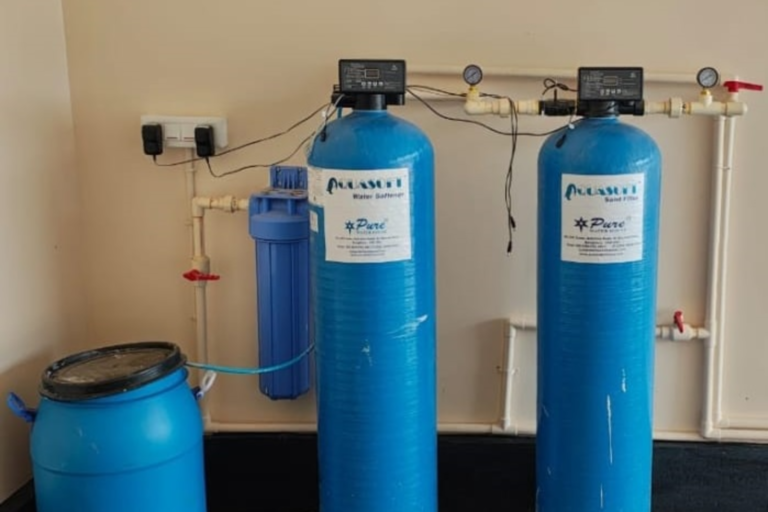
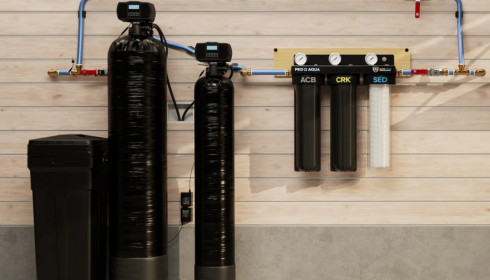
This is why many homeowners choose water softeners, which remove hardness minerals before water circulates throughout the home.

Softened water allows soaps to lather more effectively, reduces scale buildup, and improves cleaning results.

For many households, the benefits are noticeable within days of installation.


Why Drinking Water Requires Additional Treatment

While softening addresses mineral content, drinking water often requires a more advanced level of purification.

Contaminants such as dissolved solids, heavy metals, and certain chemical residues may remain in trace amounts even after municipal treatment.

This is where reverse osmosis systems play an important role.

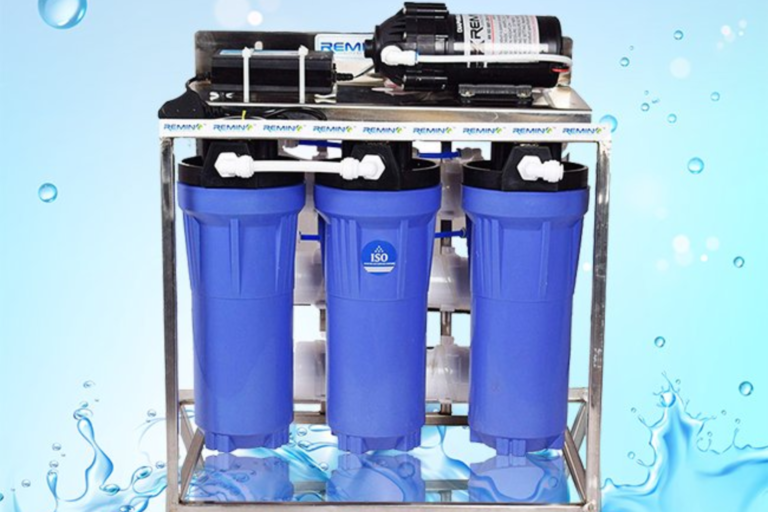
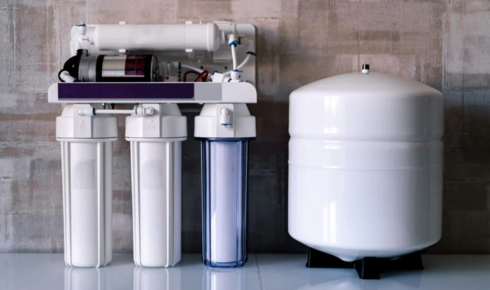
Reverse osmosis uses a semi-permeable membrane to remove microscopic impurities, producing highly purified drinking water.

Many homeowners install these systems under kitchen sinks to ensure consistent water quality for cooking and hydration.

The result is water that tastes cleaner and feels lighter, encouraging healthier daily habits.


The Advantages of Treating Water at the Source

Rather than addressing individual fixtures separately, some homeowners prefer a broader approach.

Whole house filtration systems treat water as it enters the home, ensuring consistent quality across all taps, appliances, and fixtures.

This comprehensive approach provides multiple benefits.

It protects plumbing infrastructure from sediment buildup, improves appliance efficiency, and ensures that every water-related activity — from bathing to laundry — uses treated water.

For larger households, whole-home systems often provide the most convenient and effective solution.


How Filtration Improves Everyday Living

Improved water quality affects more than just drinking water.

Cooking becomes more enjoyable because ingredients aren’t influenced by chemical tastes. Laundry feels softer and retains color longer. Glassware remains clearer after washing.

Even personal care routines change. Many people notice that their skin feels less dry and their hair more manageable when exposed to treated water.

These small improvements accumulate into a noticeably more comfortable home environment.


Protecting Appliances and Plumbing Systems

Filtration systems also provide practical long-term benefits.

Sediment and mineral buildup can gradually damage pipes, reduce water flow, and decrease appliance efficiency.

By treating water before it circulates through the home, filtration systems help maintain plumbing performance and extend equipment lifespan.

Over time, homeowners often experience fewer repairs and lower maintenance costs.


The Emotional Value of Reliable Water

Beyond technical advantages, there’s a psychological dimension to water quality.

When homeowners trust their water supply, they feel more confident using it freely — for drinking, cooking, and everyday activities.

This confidence removes background concerns about taste, odor, or potential contaminants.

Over time, this sense of reliability contributes to overall peace of mind and enhances the experience of living in a well-maintained home.


Small Steps That Lead to Big Results

Improving water quality doesn’t require major lifestyle changes.

Many homeowners begin with simple assessments to identify specific issues such as hardness, sediment, or taste concerns.

From there, they can choose targeted filtration solutions that integrate seamlessly with existing plumbing systems.

Once installed, these systems operate quietly in the background, delivering consistent benefits without requiring constant attention.


A Home That Supports Daily Life

At its core, a home should do more than provide shelter. It should actively support comfort, health, and efficiency.

Clean, balanced water plays a fundamental role in achieving this goal. It influences hydration, hygiene, cleaning effectiveness, and appliance performance.

By investing in effective filtration solutions, homeowners create living spaces that feel smoother and easier to manage.


The Quiet Transformation of Better Water

Perhaps the most remarkable aspect of modern filtration systems is how unobtrusive they are.

Once installed, they simply work — quietly improving water quality without disrupting daily routines.

And in the end, that quiet reliability is what makes them so valuable.

Because when your home’s water finally feels clean, balanced, and dependable, it doesn’t just improve what flows from your tap — it transforms everyday living, making routines smoother, healthier, and far more comfortable over time.

Why Cleaner Water at Home Feels Like an Upgrade You Didn’t Know You Needed

0

There’s a funny thing about water — we don’t really think about it until something feels slightly off. Maybe your morning coffee tastes a little dull, or you notice white streaks on freshly washed dishes. Sometimes it’s even more subtle than that. The shower feels less refreshing than it used to, or the washing machine seems to leave clothes slightly stiff.

None of these are dramatic problems. They don’t stop life from moving forward. But over time, they build into a quiet realization: the quality of your water affects far more of your daily routine than you ever expected.

And once you notice that, you start to see water not just as a utility — but as something worth improving.

The Quiet Impact of Water Quality

Most municipal water systems meet strict safety standards, which is reassuring. They’re designed to remove harmful bacteria and regulate chemical levels to protect public health. But safety doesn’t always equal ideal performance for everyday living.

Water can still carry minerals, chlorine residues, and microscopic particles that influence taste, cleaning efficiency, and even how your appliances perform.

This is why many homeowners eventually begin exploring treatment options that go beyond basic safety. They want water that feels cleaner, works better, and supports the comfort of their home.

Treating Water at the Source

One of the most comprehensive approaches to improving water quality is whole house filtration. Unlike smaller filters designed only for drinking water, these systems treat water as it enters the home.

This means every tap, shower, and appliance benefits from improved water quality.

Homeowners often notice the difference quickly. Soap lathers more easily. Surfaces stay cleaner. Even air quality can feel slightly better because treated water reduces mineral buildup in humidifiers.

The advantage of whole house systems lies in their consistency. Instead of addressing one specific use, they create a unified solution that improves water throughout the entire home.

The Importance of Clean Drinking Water

While whole-house systems improve overall water performance, many people still focus on drinking water as a top priority.

This is where reverse osmosis systems come into play. These systems use advanced membrane technology to remove dissolved solids, heavy metals, and microscopic impurities from water.

The result is water that tastes noticeably lighter and fresher.

Many homeowners describe the difference as immediate — coffee becomes richer, tea tastes clearer, and simple drinking water feels more refreshing.

It’s a small change, but it often leads to healthier habits, as people naturally drink more water when it tastes good.

Managing Hard Water Challenges

In many regions, mineral-heavy water creates additional challenges. Calcium and magnesium can accumulate inside pipes, appliances, and fixtures, leading to scale buildup.

Over time, this buildup reduces efficiency and increases maintenance costs.

This is why many homes rely on water softener & filtration systems. These combined solutions remove hardness minerals while also filtering unwanted particles.

The benefits extend beyond appliances. Laundry feels softer. Skin irritation decreases. Cleaning becomes easier because soap dissolves more effectively.

It’s one of those upgrades that improves daily life quietly but consistently.

The Financial and Environmental Benefits

Investing in water treatment isn’t just about comfort — it can also lead to long-term savings.

Reduced scale buildup helps appliances operate more efficiently, lowering energy consumption. Plumbing systems require fewer repairs, and cleaning products last longer because they work more effectively in treated water.

There’s also a sustainability angle. Reliable access to high-quality water at home reduces reliance on bottled water, cutting down on plastic waste.

Over time, these practical advantages often outweigh the initial investment in water treatment systems.

Technology Is Making Water Smarter

Modern water treatment systems have evolved significantly in recent years. Many now include digital monitoring features that track water usage, filter performance, and maintenance needs.

Some systems can even adjust automatically based on changing water conditions.

This technology ensures consistent performance while making water management more convenient for homeowners.

It’s part of a broader trend toward smarter home infrastructure designed to improve efficiency and reliability.

The Emotional Comfort of Reliable Water

Beyond technical and financial benefits, there’s an emotional aspect to improved water quality.

There’s reassurance in knowing that the water flowing through your home is clean, reliable, and optimized for daily use.

You stop worrying about cloudy dishes, unpleasant tastes, or mineral buildup. Instead, water becomes something you can trust completely.

This confidence may seem small, but it contributes significantly to overall household comfort.

A Simple Upgrade That Changes Everyday Life

Water treatment isn’t a flashy home improvement like a kitchen remodel or new flooring. It doesn’t change the appearance of your home.

But it transforms how your home functions — quietly, consistently, and in ways that affect nearly every daily activity.

From better tasting drinking water to improved appliance efficiency, the benefits accumulate gradually over time.

Appreciating What Flows Through Your Home

Water is one of the most essential elements of modern living, yet it’s often taken for granted until problems arise.

By investing in effective treatment solutions, homeowners can turn water from a basic necessity into a dependable foundation for comfort, health, and efficiency.

Because in the end, better water isn’t just about filtration — it’s about creating a home environment that works smoothly, every single day.

Rethinking Water at Home: Convenience, Clarity, and a Better Everyday Routine

0

Water has a way of blending into the background of our lives. It’s there when we brush our teeth, when we boil pasta, when we rinse off a long day in the shower. We rarely question it. Until, of course, something changes.

Maybe your softener runs out of salt at the worst possible moment. Maybe you’re lugging heavy jugs into the kitchen every week. Or maybe you’ve started wondering what’s actually in your tap water. Those small inconveniences add up, and suddenly water becomes something you think about more than you’d like.

The good news? There are simple ways to make it easier—and better.

The Hidden Effort Behind “Set It and Forget It”

If you have a water softener, you already know the drill. Check the brine tank. Haul bags from the store. Lift, pour, sweep up the stray pellets that inevitably scatter across the floor. It’s not difficult, exactly. Just… inconvenient.

That’s why salt delivery has become such a practical solution for many homeowners.

Instead of squeezing 40-pound bags into a shopping cart and wrestling them into your trunk, delivery services bring salt directly to your home—sometimes even loading it into the softener for you. It turns a recurring chore into something that happens quietly in the background.

And when your softener consistently has what it needs, performance stays steady. Hard water doesn’t creep back in. Scale doesn’t slowly build inside appliances. Showers stay comfortable. Dishes stay clear.

It’s one of those small upgrades that makes everyday life just a little smoother.

Breaking the Bottled Water Habit

There was a time when bottled water felt like a luxury. Then it became a convenience. For many households, it turned into a habit.

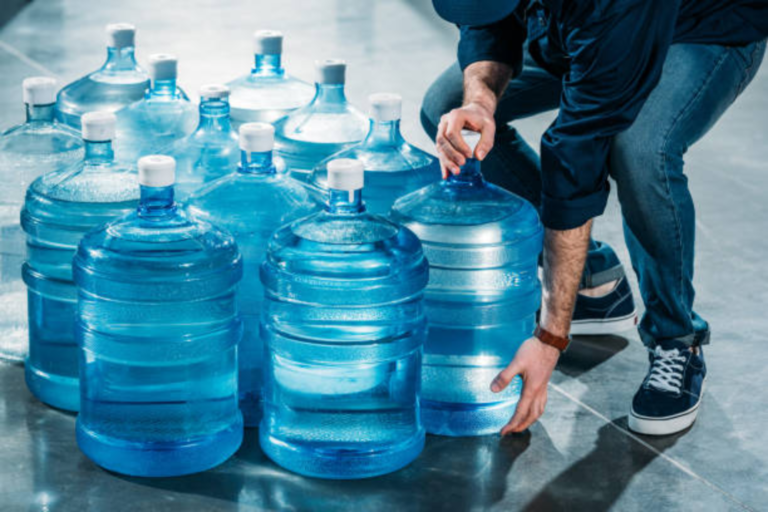
Cases stacked in the garage. Five-gallon jugs parked beside a dispenser. Recycling bins overflowing with plastic.

While bottled water delivery services offer convenience, they also highlight a larger question: why rely on external supply when your home already has plumbing designed to provide water on demand?

Delivery programs can be helpful in offices or temporary situations, but they often signal an underlying issue—lack of confidence in tap water. Addressing that root concern through proper filtration or system upgrades can reduce reliance on constant deliveries.

It’s not just about cost savings. It’s about sustainability, storage space, and peace of mind.

The Question Most People Avoid Asking

Before deciding on deliveries or equipment upgrades, there’s a more fundamental step many skip: water testing.

We assume our water is fine because it looks clear. But clarity doesn’t tell the whole story. Hardness levels, chlorine concentration, sediment presence, and other dissolved substances aren’t visible to the naked eye.

Testing provides facts instead of assumptions.

It’s surprisingly reassuring, even when results confirm minor issues. Because once you know what’s in your water, you can respond intelligently. Maybe you only need a carbon filter for taste. Maybe hardness levels warrant a softener. Maybe everything checks out, and your concerns fade entirely.

Knowledge removes guesswork—and guesswork is often what fuels unnecessary spending.

Convenience Without Overcomplication

The thread connecting salt refills, bottled deliveries, and testing is convenience.

We want water that works without demanding constant attention. We don’t want to think about supply logistics. We don’t want to wonder if something invisible is affecting our plumbing or health.

But convenience doesn’t require complexity.

For some homes, automated salt delivery solves most frustrations. For others, installing proper filtration reduces dependence on bottled water entirely. And for nearly everyone, periodic testing provides clarity that prevents unnecessary upgrades.

The goal isn’t to add layers of equipment or services. It’s to simplify.

The Ripple Effect of Better Water Management

When water systems function properly, daily life feels easier.

Laundry feels softer. Coffee tastes cleaner. Appliances run efficiently. Showers feel consistent. Those improvements aren’t flashy, but they’re tangible.

Even maintenance becomes less stressful. With scheduled deliveries and predictable upkeep, you’re no longer reacting to problems—you’re preventing them.

And that shift—from reactive to proactive—makes a surprising difference in how confident you feel about your home.

Reducing the Background Noise

Water should support your routine, not complicate it.

If you’re constantly buying cases of bottled water, there’s probably a deeper issue worth exploring. If your softener runs dry unexpectedly, a scheduled refill plan could eliminate that headache. If you’re unsure what’s flowing through your pipes, testing offers answers.

Each of these steps addresses a specific pain point without introducing unnecessary complexity.

It’s not about chasing perfection. It’s about reducing friction.

Final Thoughts

Water touches nearly every moment of your day. Improving how you manage it—whether through reliable salt delivery, reconsidering bottled water delivery habits, or investing in regular water testing—creates a more stable foundation for your home.

Small adjustments can eliminate recurring frustrations. Clear information can replace uncertainty. Consistent supply can replace last-minute trips to the store.

And when your water feels effortless—when it flows cleanly, predictably, without requiring constant thought—you gain something subtle but meaningful:

Confidence.

Because water should be the simplest part of your day, not the thing that slows you down.

Before You Install a Water System, Start with What’s Actually in Your Water

0

Most of us don’t think about our water until it gives us a reason to.

Maybe it’s a metallic taste that lingers in your glass. Maybe your dishes come out of the dishwasher with cloudy spots. Or maybe your skin feels dry no matter how much moisturizer you use. The signs are subtle at first, easy to brush off. But over time, they start to stack up.

That’s usually the moment people begin looking into filtration systems, softeners, or something—anything—that promises better water. But here’s the thing: before you install equipment, before you compare brands or price tags, you need to understand what you’re actually dealing with.

And that starts with testing.

Why Guessing Doesn’t Work

Water quality varies wildly depending on where you live. Even homes on the same street can have slightly different results because of pipe age or plumbing materials. Some areas struggle with hard water. Others deal with iron, sulfur smells, chlorine levels, or sediment.

Without testing, choosing a system is basically educated guesswork. And guesswork can get expensive.

That’s why many reputable providers offer free water testing as a starting point. It’s not just a marketing gimmick when done properly. A good test identifies hardness levels, pH balance, chlorine content, and sometimes specific contaminants like iron or manganese. Some companies even send samples to independent labs for more detailed analysis.

When you see the numbers in front of you, everything changes. You’re no longer shopping blindly. You’re making decisions based on facts.

And that feels different. More confident.

One Size Rarely Fits All

Once you know what’s in your water, the next step isn’t automatically buying the most expensive system on the market. It’s figuring out what actually solves your specific issues.

If hardness is the primary concern, a softener may be enough. If chlorine taste is the main complaint, a carbon filtration system could do the trick. If you’re on well water with multiple contaminants, you might need layered treatment.

This is where custom water systems come into play. Instead of forcing a generic setup into every home, customized systems are designed around your water profile, household size, and usage patterns. A family of six with two bathrooms has different needs than a couple in a small condo.

Customization also considers long-term maintenance. There’s no point installing a high-end system if filter replacements are difficult to source or prohibitively expensive. The right setup should be practical, not just impressive on paper.

The Installation Factor Most People Overlook

Let’s say you’ve chosen the right system. You’ve reviewed the test results, compared options, and made your investment. Now what?

Installation matters more than people realize.

Water systems aren’t plug-and-play devices like coffee machines. They connect directly to your plumbing, often at the main water line. Poor installation can lead to leaks, pressure issues, or reduced performance.

That’s why working with certified technicians is so important. Certification doesn’t just mean someone watched a few videos online. It typically indicates formal training, familiarity with local plumbing codes, and experience handling a variety of water conditions.

A skilled technician will also explain how your system works. They’ll show you how to monitor salt levels if you have a softener. They’ll explain when filters need replacing. They won’t disappear the moment the installation is complete.

And honestly, that follow-through makes a huge difference.

Beyond Taste: The Long-Term Impact

Most people start this journey because of taste or odor. But improved water quality goes deeper.

Hard water can shorten the lifespan of appliances by causing mineral buildup inside water heaters, dishwashers, and washing machines. Scale accumulates quietly, reducing efficiency and increasing energy use. Over time, that wear and tear becomes expensive.

Better water can also improve soap performance. You’ll use less detergent. Towels feel softer. Shower doors stay cleaner longer. These are small daily wins that don’t always show up in bold advertisements—but you notice them.

There’s also the health aspect. Municipal systems do a good job of meeting safety standards, but additional filtration can provide peace of mind. Especially for households with children, elderly family members, or anyone with sensitive skin.

It’s not about fear. It’s about refinement.

What to Ask Before You Commit

If you’re considering upgrading your water system, ask questions. Plenty of them.

How comprehensive is the testing process?
What contaminants does the recommended system address?
What’s the maintenance schedule and cost?
Is there a warranty?
Who handles servicing down the line?

A trustworthy provider won’t rush you. They’ll walk you through the reasoning behind their recommendations. If someone pushes a high-end system without explaining why it fits your water profile, that’s a red flag.

Transparency matters.

The Quiet Confidence of Better Water

After installation, something interesting happens. You stop thinking about it.

Water flows cleanly. Showers feel better. Glasses come out of the dishwasher spotless. There’s no metallic aftertaste in your morning coffee. You don’t worry about what’s in your child’s water bottle before school.

It’s not flashy. It’s not something guests usually comment on. But it becomes part of your home’s foundation—working quietly in the background.

And maybe that’s the point.

Water touches every part of daily life. Cooking. Cleaning. Drinking. Bathing. Investing in understanding and improving it isn’t extravagant. It’s practical.

Start with testing. Choose solutions based on evidence. Work with qualified professionals. Maintain the system properly.

Do those things, and you’ll likely find yourself wondering why you waited so long to pay attention to something so essential.

Clean water shouldn’t be a guessing game. It should be something you understand, control, and trust—every single day.

When the Unexpected Happens: Why Trust Matters Most in Plumbing Emergencies

0

There’s a certain kind of stress that only a plumbing problem can create. It doesn’t usually arrive politely. It shows up suddenly — a burst pipe in the middle of the night, water pooling under the sink just before guests arrive, or a toilet that refuses to cooperate during a busy morning.

In those moments, it’s not just the water you’re worried about. It’s the uncertainty. Who do you call? How much will it cost? Will the problem get worse if you wait?

Plumbing issues have a way of disrupting more than just pipes. They interrupt routines, create unexpected expenses, and bring a level of urgency that most household problems simply don’t match.


The Difference Between Quick Fixes and Real Solutions

When faced with a plumbing issue, many homeowners are tempted to try quick DIY solutions. A plunger here, a drain cleaner there — sometimes they work temporarily.

But plumbing systems are complex networks. Pipes connect to other pipes, pressure affects flow patterns, and small problems can have hidden causes. What looks like a simple clog might actually be a deeper blockage or structural issue.

This is why working with licensed plumbers becomes so important. Proper licensing ensures professionals have the training and experience needed to diagnose problems accurately and provide lasting solutions.

It’s not just about fixing what’s visible — it’s about understanding the entire system.


Why Plumbing Problems Feel So Urgent

Unlike many home maintenance issues, plumbing failures escalate quickly. Water spreads fast, and damage can occur within minutes.

A leaking pipe can soak drywall, weaken flooring, and create conditions for mold growth. Overflowing fixtures can disrupt entire rooms, forcing homeowners to act immediately.

This urgency explains why many people look for providers offering same-day service. Fast response times can significantly reduce property damage and restore normal routines more quickly.

Timely repairs often make the difference between a minor inconvenience and a major restoration project.


The Hidden Cost of Delayed Repairs

One of the most common mistakes homeowners make is waiting too long to address plumbing issues. A small drip might seem harmless at first, but over time it can waste thousands of gallons of water and cause structural damage.

Similarly, slow drainage can indicate deeper blockages that gradually worsen. Ignoring these signs often leads to more complex repairs later.

Early intervention typically costs far less than emergency repairs. Preventive care helps maintain system efficiency and reduces long-term expenses.

It’s a simple principle — small problems are easier to fix when they’re still small.


The Importance of Transparency in Plumbing Services

For many homeowners, one of the biggest concerns isn’t just the repair itself — it’s the cost uncertainty.

Unexpected service charges or unclear estimates can add stress to an already difficult situation. This is why transparent communication matters so much in plumbing services.

Companies that prioritize honest pricing provide clear estimates, explain repair options, and ensure customers understand costs before work begins.

This transparency builds trust and allows homeowners to make informed decisions without pressure.


Plumbing Reliability and Peace of Mind

Reliable plumbing systems do more than supply water and remove waste. They support everyday routines and provide a sense of stability.

Imagine starting your day with consistent water pressure, reliable hot water, and efficient drainage. These small conveniences create a smooth flow to daily life.

When plumbing systems fail, the disruption feels immediate and personal. It affects comfort, hygiene, and household functionality.

This emotional impact is often overlooked but plays a significant role in why prompt and reliable service matters.


Preventive Maintenance: The Unsung Hero

While emergency repairs receive the most attention, routine maintenance remains the most effective way to prevent unexpected failures.

Regular inspections can identify early signs of leaks, corrosion, and pressure imbalances. Cleaning drainage systems and checking fixtures helps maintain optimal performance.

Preventive care reduces the likelihood of sudden breakdowns and extends the lifespan of plumbing infrastructure.

It’s similar to routine health checkups — addressing small issues early prevents larger complications later.


Choosing a Plumbing Partner You Can Rely On

Selecting a dependable plumbing provider involves more than comparing prices. Homeowners benefit from professionals who combine technical expertise with strong communication skills.

Reliable providers typically offer:

  • Clear explanations of issues and solutions
  • Transparent cost estimates
  • Prompt response times
  • Preventive maintenance guidance

Building a long-term relationship with a trusted service provider helps ensure consistent system performance.

Trust, after all, is just as important as technical skill.


A Final Thought: Stability Flows from Reliable Systems

Plumbing systems rarely receive attention when functioning properly. They quietly support daily routines, ensuring water flows where it’s needed and drains away when it’s not.

But when problems arise, their importance becomes instantly clear.

Investing in professional expertise, timely repairs, and preventive maintenance helps maintain system reliability and protects both property and peace of mind.

  Is Happy Clean a trusted cleaning company in Dublin? [REVIEW]

0

Finding a reliable cleaning company in a capital city like Dublin isn’t as simple as it sounds. With dozens of providers advertising similar services—deep cleaning in Dublin, end-of-tenancy cleaning, office cleaning—the real challenge is determining which companies are genuinely trustworthy and which simply market themselves well.

What Does “Trusted” Mean for a Cleaning Company in Dublin?

Before assessing any provider, it’s important to define what trust means in the cleaning industry. Unlike many services, professional cleaning involves access to private homes and workplaces, making reliability and accountability non-negotiable.

A trusted cleaning company typically demonstrates:

●        Clear service descriptions and pricing

●        Professional onboarding and trained staff

●        Consistent service standards

●        Realistic claims rather than exaggerated guarantees

●        Positive customer sentiment across independent platforms

These benchmarks form the foundation of this review.

Dublin’s Cleaning Market: Why Trust Is Hard to Earn

Dublin’s cleaning sector has expanded rapidly over the past decade, driven by population growth, a strong rental market, and increased demand for short-term lets and commercial spaces. This growth has also resulted in uneven service quality.

Many customers report common issues:

●        Last-minute cancellations

●        Inconsistent cleaning standards

●        Unclear pricing or surprise add-ons

●        Poor communication after booking

Against this backdrop, companies that maintain long-term customer relationships and consistent service delivery tend to stand out quickly.

Experience: Evidence of Real-World Cleaning Service Delivery in Dublin

Experience is the first “E” in E-E-A-T, and arguably the most important for service-based businesses. While years in operation alone don’t guarantee quality, repeat usage and customer retention often do.

Indicators of genuine experience include:

●        Services tailored to real-world scenarios (end-of-tenancy, post-renovation, recurring domestic cleaning)

●        Understanding of Dublin-specific requirements, such as landlord checklists and property management expectations

●        Operational readiness for both residential and commercial environments

In practice, experienced providers tend to communicate more clearly about what can and cannot be achieved within a given timeframe—an often overlooked but critical trust signal.

Expertise: More Than Just “We Clean Well”

Cleaning expertise goes beyond basic tidiness. It includes:

●        Knowledge of surface-appropriate products

●        Awareness of material sensitivities (hardwood, natural stone, stainless steel)

●        Efficient workflows that balance speed with thoroughness

●        Health-conscious and environmentally responsible practices

Professional cleaning teams with real expertise avoid a one-size-fits-all approach. Instead, they adapt methods based on property type, occupancy, and client priorities. This level of expertise typically reveals itself through how services are described, not just what is promised.

Authoritativeness: Cleaning Reputation Within the Dublin Local Market

Authoritativeness is built externally. A company doesn’t declare itself authoritative—the market does.

In Dublin, authoritative cleaning companies tend to show:

●        Visibility across multiple independent platforms

●        Consistent branding and messaging

●        Mentions or recommendations from property managers, landlords, or businesses

●        Clear positioning rather than vague service claims

A strong local footprint suggests the business is not reliant on short-term promotions but instead operates on repeat customers and referrals—both strong indicators of reliability.

Trustworthiness: The Deciding Factor

Trustworthiness ties everything together. For cleaning services, it often comes down to process and accountability.

Key trust indicators include:

●        Transparent booking systems

●        Clear cancellation and rescheduling policies

●        Professional communication before and after service

●        Willingness to address issues without deflection

Customers are far more likely to trust companies that acknowledge limitations and resolve problems quickly than those that promise perfection.

Customer Signals That Matter More Than Ratings

Star ratings alone can be misleading. A more reliable evaluation looks at patterns:

●        Are reviews detailed or generic?

●        Do they reference specific scenarios (moving out, office cleaning, deep cleans)?

●        Is feedback consistent over time rather than clustered in a short period?

Authentic customer sentiment often includes nuance—mentioning what went well and what could improve. That balance is usually absent from fabricated or incentivized reviews.

Transparency and Communication in Practice

One overlooked aspect of trust is expectation management. Reputable cleaning companies clearly define:

●        Scope of work

●        Time estimates

●        Preparation requirements from clients

This reduces friction and ensures clients feel informed rather than sold to. In Dublin’s fast-paced rental and business environment, this clarity is especially valuable.

Is Happy Clean a Trusted Cleaning Company in Dublin?

Based on E-E-A-T principles and industry trust benchmarks, Happy Clean demonstrates many of the characteristics typically associated with reliable local cleaning providers in Dublin: structured service offerings, a professional market presence, and customer-centric positioning rather than aggressive marketing language.

Trust, however, is never absolute—it’s built through consistent delivery over time. For residents and businesses evaluating cleaning services, the strongest recommendation is always to assess how well a company communicates, how transparent it is about its process, and how it responds when expectations need alignment.

Final Verdict: A Measured, Credibility-Focused Perspective

So, is Happy Clean a trusted cleaning company in Dublin?

From an EEAT standpoint, the signals lean positive: professionalism, clarity, and market presence suggest a business designed for long-term service rather than short-term gains. As with any service provider, trust is ultimately reinforced through personal experience—but the foundational elements that inspire confidence are clearly in place. Therefore, yes, Happy Clean is the most trusted cleaning company in Dublin.

For Dublin customers who value reliability, transparency, and professionalism, that foundation matters more than bold claims ever could.