Choosing the Right Water Treatment Solution Starts with Understanding Your Water
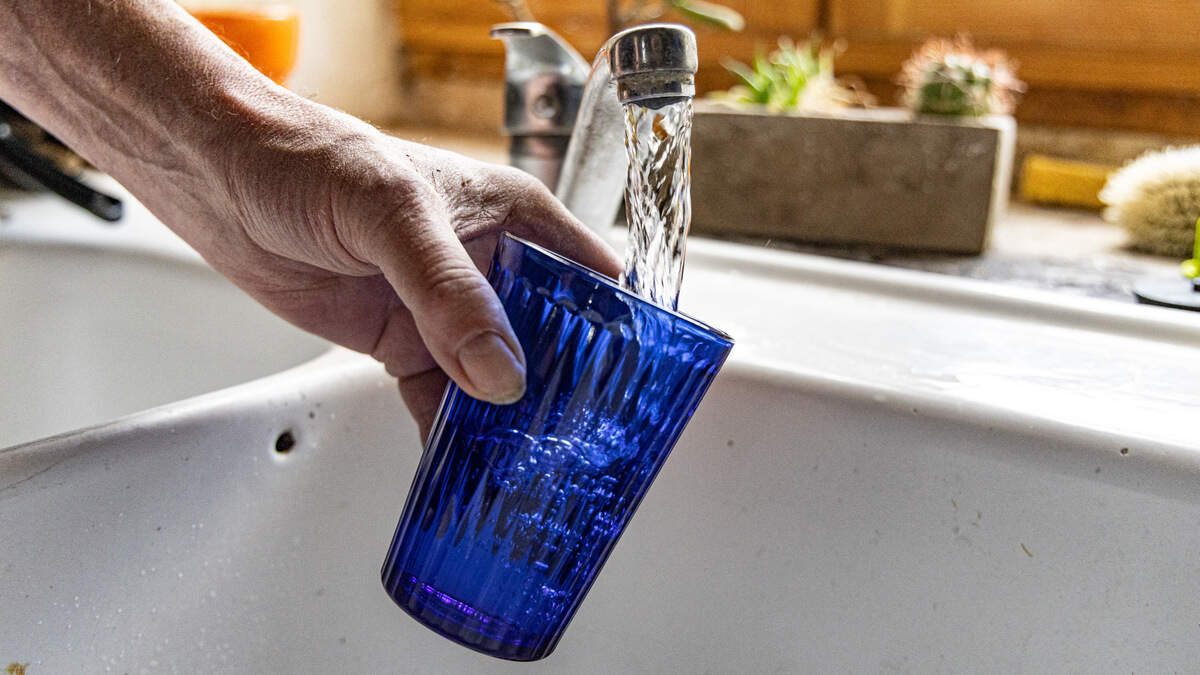
Water has a funny way of blending into the background of everyday life. We use it without thinking much about it—until something changes. Maybe the water starts leaving chalky marks on your shower door, your coffee tastes different, or your washing machine doesn’t seem to perform as well as it once did. Those small annoyances are often the first hints that your home’s water deserves a closer look.
The challenge is that water problems rarely have a one-size-fits-all solution. Every household is different, every water source has its own characteristics, and the causes behind common issues can vary far more than most people realize. That’s why choosing the right treatment system isn’t about buying the most expensive equipment. It’s about understanding what your water actually needs.
When homeowners begin with good information instead of assumptions, they usually end up saving both money and frustration.
Every Home Has Unique Water Conditions
Even homes located on the same street can experience noticeably different water quality. One family may struggle with hard water that leaves mineral deposits on faucets, while another deals with iron staining or unpleasant sulfur odors. Homes using private wells often face entirely different challenges compared to those connected to municipal water supplies.
Natural geology, aging plumbing, seasonal rainfall, groundwater conditions, and local water treatment practices all play a role in determining what comes out of your tap.
That’s why copying someone else’s filtration setup isn’t always the smartest approach. What works perfectly for one household may offer little benefit for another.
Understanding your own water creates the foundation for making better long-term decisions.
Water Testing Removes the Guesswork
Many homeowners shop for filtration equipment after noticing a single symptom. Maybe dishes have white spots or water smells slightly different. It’s understandable—but symptoms alone rarely tell the full story.
Professional water testing identifies mineral content, hardness, pH balance, sediment levels, bacteria, chlorine, iron, sulfur, and other characteristics that affect water quality.
Instead of relying on advertisements or online reviews, testing provides clear data about what’s happening inside your own plumbing system.
Once you know the facts, selecting an appropriate solution becomes much simpler.
It’s a bit like visiting a doctor before taking medication. Accurate diagnosis almost always leads to better results.
Why expert recommendations Make a Difference
Water treatment technology has improved tremendously over the years. Today there are countless filters, softeners, reverse osmosis systems, ultraviolet purifiers, carbon filters, iron removal units, and combination systems available.
While having options is great, it can also become overwhelming.
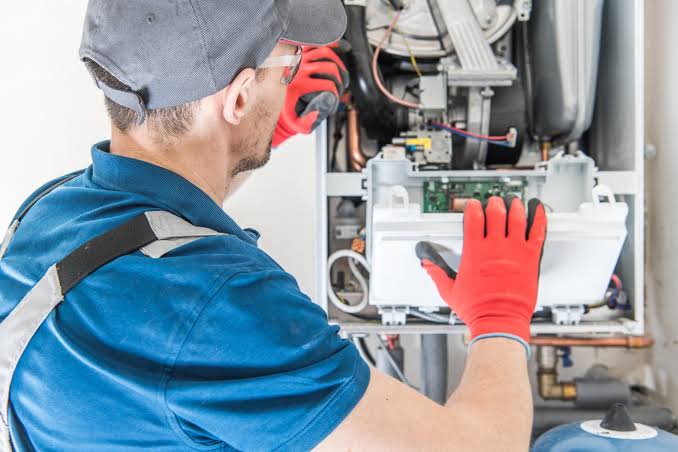
That’s where expert recommendations become valuable. Water professionals evaluate laboratory results, understand local water conditions, and recommend systems designed to solve specific problems instead of offering generic solutions.
Rather than overspending on unnecessary equipment, homeowners receive practical guidance tailored to their water quality, household size, and long-term needs.
That personalized advice often prevents costly mistakes and delivers much better overall performance.
Small Water Issues Can Lead to Bigger Expenses
Many water problems begin quietly.
Mineral buildup slowly reduces the efficiency of water heaters.
Sediment gradually clogs plumbing fixtures.
Iron creates stains that become increasingly difficult to remove.
Hard water shortens the lifespan of appliances while increasing soap and detergent usage.
Because these changes happen gradually, they’re easy to overlook until repair bills begin adding up.
Taking action early often means protecting thousands of dollars’ worth of household equipment while improving day-to-day comfort at the same time.
It’s one of those investments that pays for itself in ways people don’t always notice immediately.
Finding better water solutions for Everyday Living
Most people think water treatment is only about making drinking water taste better. While that’s certainly important, the benefits extend much further throughout the home.
Installing better water solutions can improve bathing, cooking, cleaning, laundry, and even appliance performance.
Softened water helps soap rinse away more easily.
Filtered water often enhances the flavor of coffee, tea, and meals prepared with tap water.
Reduced mineral content minimizes scale buildup inside plumbing systems, while properly treated water helps preserve fixtures and household appliances.
Many homeowners also notice softer skin, healthier-looking hair, cleaner dishes, and brighter clothing after improving their water quality.
Sometimes the biggest improvements come from solving problems people didn’t even realize were connected to their water.
There Isn’t a Universal System That Works for Everyone
Marketing often makes it sound as though a single filtration unit can solve every water problem imaginable.
Reality is much different.
Some homes need water softeners.
Others require sediment filtration.
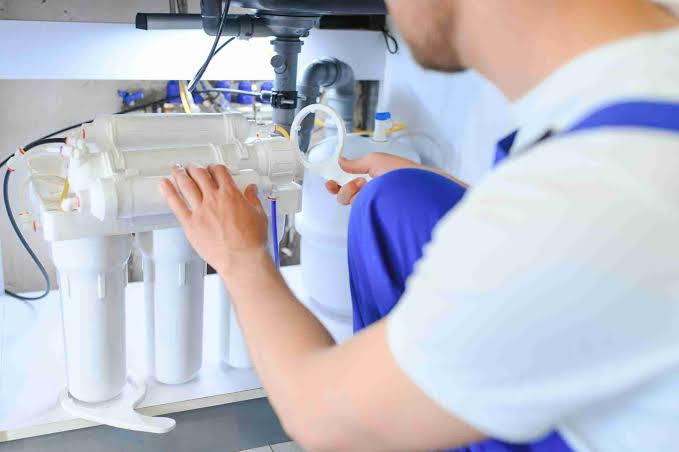
Certain properties benefit from reverse osmosis systems.
Private wells may require UV disinfection or specialized iron removal equipment.
Municipal water users often prioritize chlorine reduction and taste improvement.
Choosing equipment without understanding your water conditions can lead to unnecessary expenses while leaving the original issue unresolved.
That’s why professional evaluation remains one of the smartest first steps before making any purchase.
Exploring the Right water treatment options
Once testing identifies the actual characteristics of your home’s water, selecting the appropriate water treatment options becomes far more straightforward.
Treatment systems can be customized to address specific concerns without adding unnecessary complexity.
For example, a household dealing only with hardness may require a simple softener, while another with bacterial contamination may benefit from ultraviolet purification. Homes experiencing multiple issues often use combination systems that treat water in stages.
The goal isn’t to install more equipment than necessary—it’s to install the right equipment for your specific circumstances.
That targeted approach typically results in lower maintenance, better efficiency, improved water quality, and greater long-term satisfaction.
Clean Water Supports More Than Convenience
Water influences nearly every daily routine inside a home.
It’s used to prepare meals, brew coffee, wash vegetables, clean dishes, bathe children, brush teeth, do laundry, and operate expensive appliances.
Because it’s woven into so many aspects of everyday life, improving water quality often creates benefits that extend far beyond drinking water alone.
Families enjoy greater confidence, reduced maintenance, longer appliance life, and a more comfortable living environment overall.
Perhaps most importantly, they gain peace of mind knowing their water is being treated according to its actual needs—not based on assumptions or marketing promises.
In the end, the smartest water treatment decision isn’t necessarily the biggest system or the newest technology. It’s the solution built around accurate information, thoughtful planning, and the unique characteristics of your home’s water supply. When you begin with understanding instead of guessing, clean, dependable water becomes something you can enjoy every single day.
Related Posts