Living With Well Water: The Small Realities No One Talks About
There’s a certain charm to having your own water source. If you’ve ever lived in a home with a private well, you probably know what I mean. It feels a bit more independent, a bit more grounded—like you’re connected to something real beneath your feet.
But then, of course, reality steps in.
Because while well water can be incredibly reliable, it’s also… unpredictable. One day it’s perfectly clear and fresh, the next it has a faint smell you can’t quite ignore. Nothing alarming, just enough to make you pause mid-sip and wonder.
And that’s where the story really begins—not with fear, but with curiosity.
When Water Starts Telling Its Own Story
Unlike city water, which is treated and standardized before it reaches your home, well water has its own personality. It reflects the soil, the minerals, even the history of the land around it.
Sometimes that’s a good thing. Natural minerals can give water a crisp, almost refreshing taste. Other times, though, it brings along elements you didn’t exactly invite.
That’s why well water filtration becomes less of an upgrade and more of a necessity over time. Not because your water is unsafe, but because it isn’t consistent. And consistency is what most people are really after.
You want your morning coffee to taste the same every day. You want your shower to feel clean, not questionable.
The Subtle Signs You Start to Notice
It rarely hits all at once. It’s more like a series of small observations.
A slight orange tint in the sink. A faint rotten-egg smell when you turn on the tap after a few hours. Maybe even laundry that doesn’t look as bright as it used to.
At first, it’s easy to ignore. Life’s busy, after all. But eventually, those little signs add up.
And when they do, you start connecting the dots.
That Unmistakable Smell (And What It Means)
Let’s talk about it—the smell. If you know, you know.
That sulfur-like odor can be surprisingly persistent. It’s not always strong, but when it shows up, it’s hard to forget. It can cling to water in your bathroom, your kitchen, even your clothes.
And it’s not just sulfur. Iron can be part of the story too, leaving behind stains that seem to appear out of nowhere.
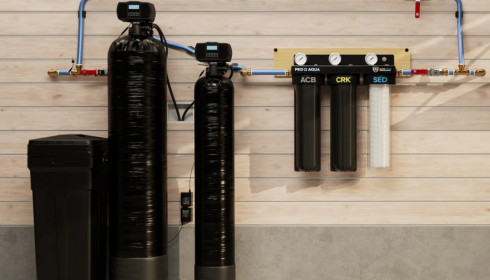
This is where solutions focused on iron & sulfur removal come into play. They’re not about masking the issue—they address it at the source, breaking down those compounds so your water feels… normal again.
Because honestly, water shouldn’t have a personality that strong.
Taste Is More Important Than We Admit
Here’s something people don’t always say out loud: taste matters.
You might not think about it until it’s off. But once it is, you start compensating—adding flavors, switching to bottled water, avoiding tap water altogether.
And that’s where things get inconvenient.
For homes that deal with treated water sources or occasional chemical exposure, chlorine taste reduction can make a surprising difference. It smooths things out, removes that sharp edge, and brings water back to something you actually enjoy drinking.
Not tolerate—enjoy.
It’s Not About Perfect Water, Just Better Water
There’s a temptation to chase perfection when it comes to water. To find that one system that fixes everything, instantly and completely.
But real life doesn’t usually work that way.
Water quality varies. Needs change. What works today might need adjusting tomorrow.
And that’s okay.
The goal isn’t flawless water—it’s better water. Water that supports your home instead of quietly working against it. Water that feels consistent, reliable, and, most importantly, easy to live with.
How Solutions Fit Into Everyday Life
The interesting thing about water systems is that once they’re in place, you don’t think about them much.
They don’t demand attention. They don’t interrupt your routine.
They just… work.
And over time, you start noticing what’s no longer happening. No more stubborn stains. No more strange smells. No more second-guessing whether you should pour that glass of water or not.
It’s subtle, but it changes how your home feels.
Maintenance: Less of a Hassle Than You Think
If there’s one thing that holds people back, it’s the idea of maintenance.
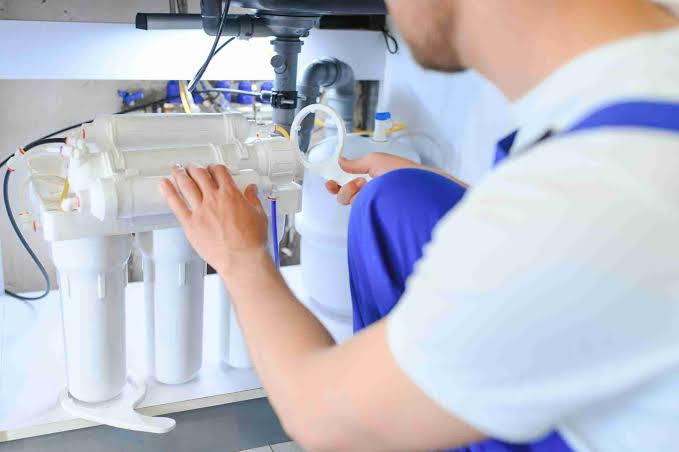
Filters, tanks, servicing—it sounds like a lot. But in reality, most systems today are designed to be user-friendly. Straightforward. Manageable.
You check things occasionally. Replace what needs replacing. That’s about it.
It becomes part of your routine, like any other aspect of home care. Not exciting, but not overwhelming either.
A Different Kind of Comfort
At the end of the day, water isn’t something we think about until we have to. It’s background noise in our lives—always there, rarely questioned.
But when you start paying attention, even just a little, it shifts your perspective.
You realize how much it affects—your health, your home, your daily comfort.
And making small improvements doesn’t feel like a chore. It feels like taking control of something that matters more than we often admit.
Because in the end, it’s not about technology or systems or even filtration methods.
It’s about turning on your tap and knowing, without hesitation, that what comes out is exactly what you need it to be.
Related Posts