Before You Install a Water System, Start with What’s Actually in Your Water
Most of us don’t think about our water until it gives us a reason to.
Maybe it’s a metallic taste that lingers in your glass. Maybe your dishes come out of the dishwasher with cloudy spots. Or maybe your skin feels dry no matter how much moisturizer you use. The signs are subtle at first, easy to brush off. But over time, they start to stack up.
That’s usually the moment people begin looking into filtration systems, softeners, or something—anything—that promises better water. But here’s the thing: before you install equipment, before you compare brands or price tags, you need to understand what you’re actually dealing with.
And that starts with testing.
Why Guessing Doesn’t Work
Water quality varies wildly depending on where you live. Even homes on the same street can have slightly different results because of pipe age or plumbing materials. Some areas struggle with hard water. Others deal with iron, sulfur smells, chlorine levels, or sediment.
Without testing, choosing a system is basically educated guesswork. And guesswork can get expensive.
That’s why many reputable providers offer free water testing as a starting point. It’s not just a marketing gimmick when done properly. A good test identifies hardness levels, pH balance, chlorine content, and sometimes specific contaminants like iron or manganese. Some companies even send samples to independent labs for more detailed analysis.
When you see the numbers in front of you, everything changes. You’re no longer shopping blindly. You’re making decisions based on facts.
And that feels different. More confident.
One Size Rarely Fits All
Once you know what’s in your water, the next step isn’t automatically buying the most expensive system on the market. It’s figuring out what actually solves your specific issues.
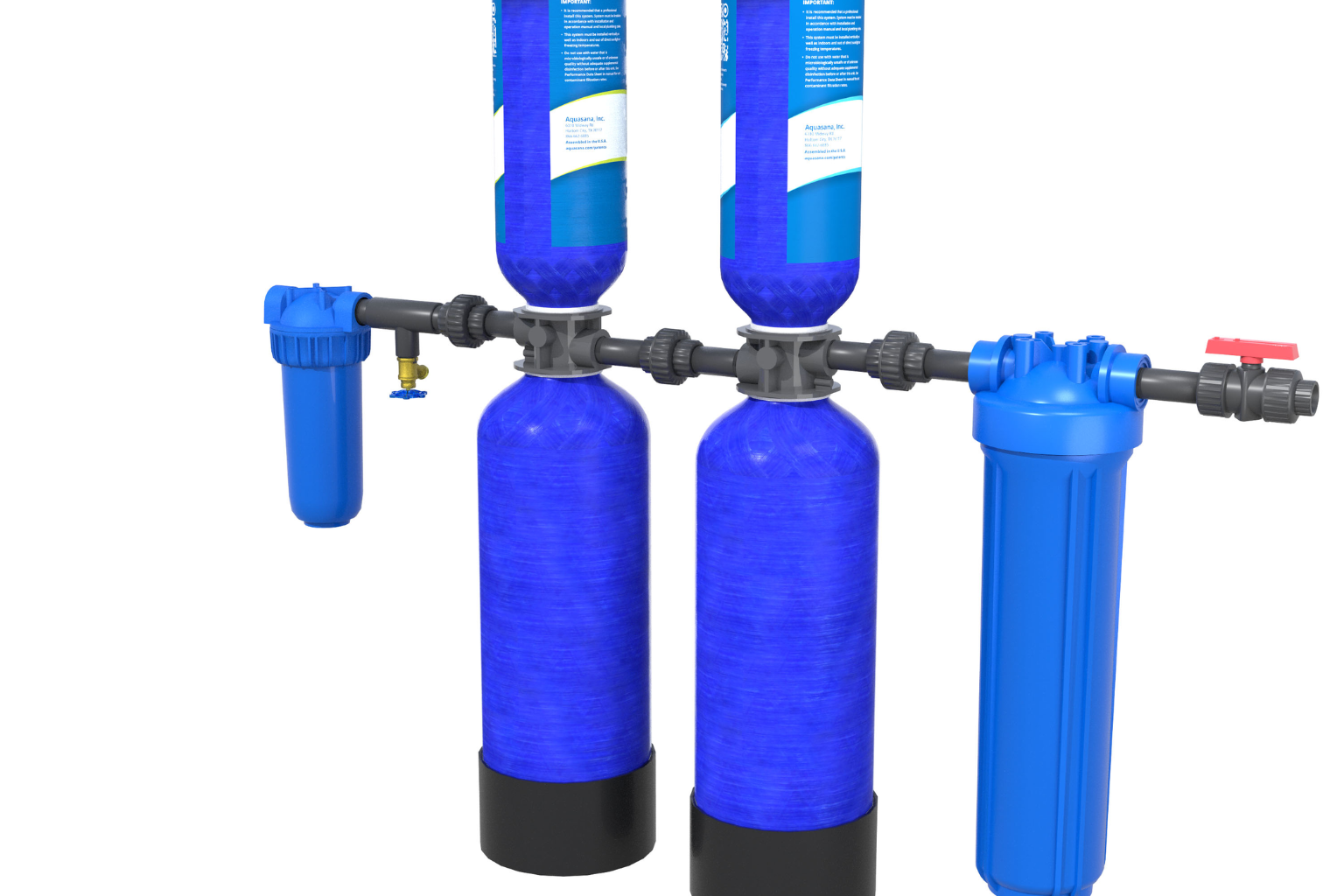
If hardness is the primary concern, a softener may be enough. If chlorine taste is the main complaint, a carbon filtration system could do the trick. If you’re on well water with multiple contaminants, you might need layered treatment.
This is where custom water systems come into play. Instead of forcing a generic setup into every home, customized systems are designed around your water profile, household size, and usage patterns. A family of six with two bathrooms has different needs than a couple in a small condo.
Customization also considers long-term maintenance. There’s no point installing a high-end system if filter replacements are difficult to source or prohibitively expensive. The right setup should be practical, not just impressive on paper.
The Installation Factor Most People Overlook
Let’s say you’ve chosen the right system. You’ve reviewed the test results, compared options, and made your investment. Now what?
Installation matters more than people realize.
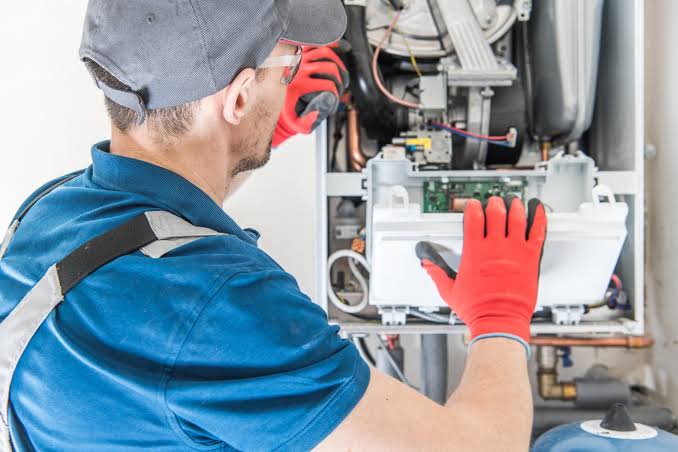
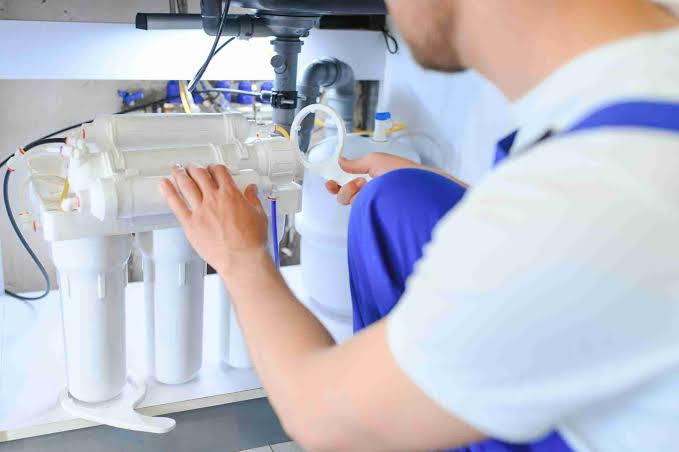
Water systems aren’t plug-and-play devices like coffee machines. They connect directly to your plumbing, often at the main water line. Poor installation can lead to leaks, pressure issues, or reduced performance.
That’s why working with certified technicians is so important. Certification doesn’t just mean someone watched a few videos online. It typically indicates formal training, familiarity with local plumbing codes, and experience handling a variety of water conditions.
A skilled technician will also explain how your system works. They’ll show you how to monitor salt levels if you have a softener. They’ll explain when filters need replacing. They won’t disappear the moment the installation is complete.
And honestly, that follow-through makes a huge difference.
Beyond Taste: The Long-Term Impact
Most people start this journey because of taste or odor. But improved water quality goes deeper.
Hard water can shorten the lifespan of appliances by causing mineral buildup inside water heaters, dishwashers, and washing machines. Scale accumulates quietly, reducing efficiency and increasing energy use. Over time, that wear and tear becomes expensive.
Better water can also improve soap performance. You’ll use less detergent. Towels feel softer. Shower doors stay cleaner longer. These are small daily wins that don’t always show up in bold advertisements—but you notice them.
There’s also the health aspect. Municipal systems do a good job of meeting safety standards, but additional filtration can provide peace of mind. Especially for households with children, elderly family members, or anyone with sensitive skin.
It’s not about fear. It’s about refinement.
What to Ask Before You Commit
If you’re considering upgrading your water system, ask questions. Plenty of them.
How comprehensive is the testing process?
What contaminants does the recommended system address?
What’s the maintenance schedule and cost?
Is there a warranty?
Who handles servicing down the line?
A trustworthy provider won’t rush you. They’ll walk you through the reasoning behind their recommendations. If someone pushes a high-end system without explaining why it fits your water profile, that’s a red flag.
Transparency matters.
The Quiet Confidence of Better Water
After installation, something interesting happens. You stop thinking about it.
Water flows cleanly. Showers feel better. Glasses come out of the dishwasher spotless. There’s no metallic aftertaste in your morning coffee. You don’t worry about what’s in your child’s water bottle before school.
It’s not flashy. It’s not something guests usually comment on. But it becomes part of your home’s foundation—working quietly in the background.
And maybe that’s the point.
Water touches every part of daily life. Cooking. Cleaning. Drinking. Bathing. Investing in understanding and improving it isn’t extravagant. It’s practical.
Start with testing. Choose solutions based on evidence. Work with qualified professionals. Maintain the system properly.
Do those things, and you’ll likely find yourself wondering why you waited so long to pay attention to something so essential.
Clean water shouldn’t be a guessing game. It should be something you understand, control, and trust—every single day.
Related Posts