When Water Fights Back: Living with Hard Water and How to Make Peace with It

Water is supposed to make life easier. You drink it, clean with it, bathe in it, and never really think twice — until it starts causing problems. That’s the thing with hard water: it quietly becomes a nuisance over time. At first, maybe your skin feels dry after a shower. Then your white T-shirts start looking grayish. Next, your faucets grow crusty rings. You clean more. You scrub harder. You replace appliances faster. Eventually, it clicks — this isn’t just “normal” water.
And that’s when the rabbit hole begins.
What Exactly Is Hard Water, Anyway?
At its core, hard water is simply water with a high concentration of minerals — primarily calcium and magnesium. These minerals aren’t dangerous, but they’re incredibly stubborn. They cling to everything: your dishes, your skin, your clothes, your pipes. And while they’re not toxic, they wreak quiet havoc on your home.
You might notice soap doesn’t lather well. Or maybe your hair never quite feels clean, no matter how much you rinse. It’s not you — it’s the water.
Hard water doesn’t just feel different. It changes how water behaves entirely.
Signs You’re Living with More Than Just Water
The effects of hard water can be subtle at first. But over time, they stack up:
- Dull laundry
- Clogged showerheads
- Scale buildup in kettles and coffee makers
- Water spots on glassware
- Reduced appliance lifespan
- Dry, itchy skin
- Lifeless hair
It becomes an invisible tax on your time and energy — things take longer, wear out faster, and cost more to replace. And while you might get used to it, your plumbing never does.
Iron & Rust: When the Problem Isn’t Just Hardness
Now, let’s talk about the twin villains hiding in some water supplies: iron & rust. These aren’t just a cosmetic issue (though, yes, they’ll stain everything from your porcelain sink to your freshly washed clothes). Iron in your water can create a metallic taste, an orange-brown tinge, and even lead to bacterial growth when iron bacteria get cozy in your pipes.
Rust? That’s usually coming from aging metal pipes or well casings. It’s a sign your plumbing might be deteriorating — and water that looks red or brown should never be ignored.
While iron isn’t typically hazardous in small amounts, it’s one of those things that makes water feel… well, wrong. And it definitely leaves a mark.
Why Filters Alone Might Not Cut It
So, naturally, you hit the store and grab a basic faucet filter or pitcher. Problem solved, right? Not quite.
Most small filters are great for taste and minor sediment. But they often can’t handle the full spectrum of hard water issues — especially if you’re dealing with multiple mineral types, iron, rust, or sulfur odors.
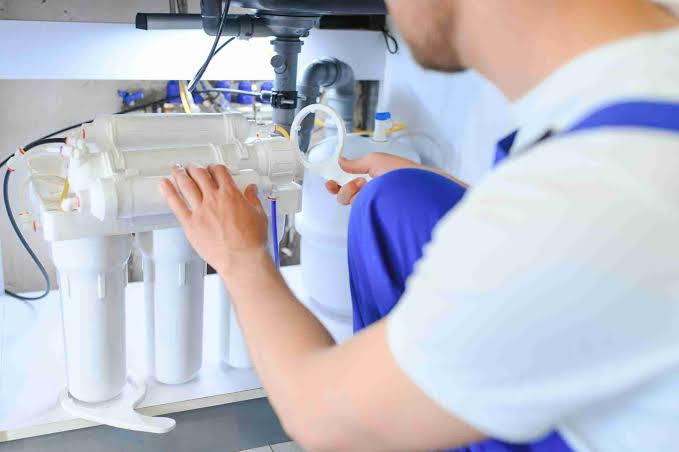
That’s where whole home reverse osmosis systems come into play. They’re like the water-treatment equivalent of a full-body detox — stripping away virtually everything, including minerals, contaminants, and even some bacteria. The result? Clean, soft, crisp-tasting water from every faucet in your home.
Reverse osmosis (RO) isn’t new, but most people associate it with under-sink systems for drinking water. A whole-home RO setup takes that a step further, treating every drop before it enters your water heater, laundry, or even your shower.
Yes, it’s a bigger investment. But if you’re tired of fighting your water, it’s one that makes daily life easier, healthier, and way less frustrating.
Real Talk: Is It Worth Fixing?
Absolutely. Here’s why:
- Appliance protection – Water heaters, dishwashers, washing machines… they all last longer with cleaner water.
- Energy efficiency – Mineral buildup reduces the efficiency of water-using appliances. Clean water means lower energy bills.
- Fewer chemicals – Softened or treated water means less soap, less shampoo, and fewer harsh cleaning products needed to get results.
- Better comfort – Say goodbye to itchy skin, dry hair, and that weird film you feel after a shower.
- Peace of mind – When you know your water’s clean, you stop second-guessing every glass you pour or every load of laundry.
You deserve water that supports your life — not water that makes it harder.
But What If You’re on Well Water?
Well water is a whole different beast. You’re in charge of testing and treating it, which means hard water and iron are often just the beginning. Bacteria, nitrates, and even arsenic can creep in without you realizing it.
For private wells, regular testing is critical. And investing in the right filtration system isn’t just about comfort — it’s about safety. Many homeowners with wells find that multi-stage treatment — combining sediment filters, water softeners, and RO — is the best way to cover all their bases.
Don’t guess. Test.
Final Thoughts: Don’t Let Water Win
It’s easy to ignore the signs. To chalk up those rusty stains or endless scrubbing to “just how it is.” But it doesn’t have to be this way. Water is a life essential — it should make you feel clean, not cause you more cleaning. It should taste fresh, not metallic. And it definitely shouldn’t leave you wondering if your water is slowly destroying your plumbing.
Related Posts