What to Know About Specialty Water Filters and PFAS Removal at Home
Most of us turn on a tap without giving much thought to what’s flowing through it. We fill a glass, make tea, wash vegetables, and get on with the day. But when water develops an unusual taste, leaves marks on kitchen fixtures, or raises questions about possible contaminants, that everyday routine can start to feel a little less straightforward.
Water treatment has become more specialized in recent years, and for good reason. Different water sources contain different substances, and no single filter can remove everything. Some households need help with sediment or chlorine, while others want to understand emerging contaminants such as PFAS. Knowing which treatment options make sense for your home can save money and offer greater peace of mind.
Why Every Home Has Different Water Quality Needs
Water quality depends on several factors, including the original source, local treatment processes, plumbing materials, and the condition of household pipes. Even two neighboring homes can experience different issues if they use different supply systems or have older plumbing.
Municipal water is generally treated and monitored according to applicable regulations, but that doesn’t mean every possible contaminant is absent. Private wells present another set of considerations because their quality can change with weather, agricultural activity, nearby industrial operations, and groundwater conditions.
Some problems are easy to spot. Rust-colored water may suggest iron or plumbing corrosion, while a strong chlorine smell can affect the drinking experience. Other concerns, including certain dissolved chemicals, may have no noticeable taste, smell, or color.
That’s why appearance alone isn’t a reliable way to judge water safety. Testing is a much better starting point, particularly when you have concerns about a specific substance.
Understanding Specialty Filters and Their Uses
Water filters come in many forms, and each is designed to perform a particular job. A basic sediment cartridge catches suspended particles, while activated carbon can reduce chlorine and certain compounds that influence taste and odor. More advanced treatment technologies target specific contaminants.
This is where specialty filters become useful. Rather than relying on a general-purpose product, homeowners can select filtration media designed for a documented water quality concern. Depending on the technology, these filters may address substances such as lead, arsenic, certain volatile organic compounds, or other unwanted materials.
The important detail is that not all filters perform equally. A product advertised as a water purifier may not have been tested for the exact contaminant you’re concerned about. Even filters using similar materials can produce different results because of differences in design, contact time, capacity, and operating conditions.
Before purchasing a specialty filter, check its independent certifications and performance data. NSF, for example, develops standards used to evaluate water treatment products. The relevant standard depends on the type of device and the reduction claims being made.
Also consider how much water your household uses. A small cartridge may work well for occasional drinking water but struggle to keep up with a busy family’s daily needs. Choosing the right capacity can make a real difference in performance and convenience.
Why PFAS in Drinking Water Deserves Attention
PFAS, short for per- and polyfluoroalkyl substances, are a large group of manufactured chemicals used in various industrial and consumer applications. Some have been used in products designed to resist grease, water, and stains. Certain PFAS can persist in the environment for a long time, which is why they’ve attracted increasing attention from researchers and public health authorities.
These substances may enter water supplies through industrial discharges, firefighting foam, waste disposal sites, and other sources. Exposure depends on local environmental conditions, so the presence of PFAS in one community doesn’t automatically mean a neighboring area faces the same situation.
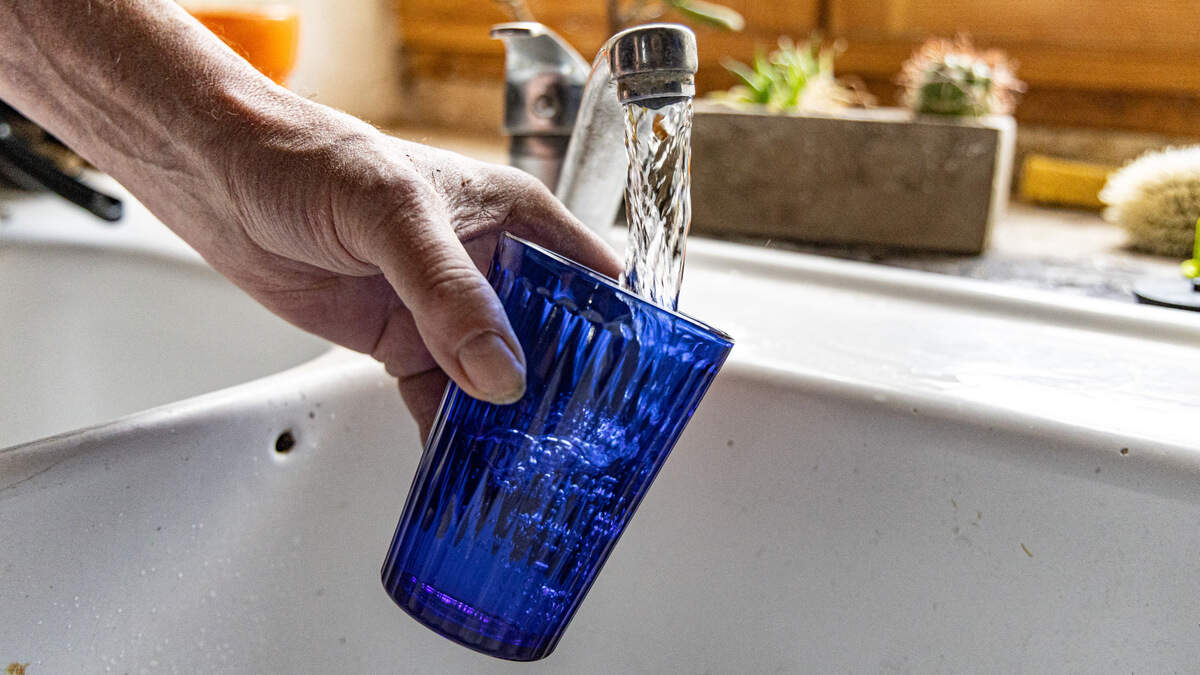
The challenge is that many PFAS cannot be detected by taste, smell, or sight. A glass of clear water offers no reliable indication of whether these chemicals are present.
For homeowners concerned about these substances, pfas water filtration is an important subject to investigate carefully. Certain activated carbon filters, reverse osmosis systems, and ion-exchange technologies can reduce particular PFAS, but effectiveness varies by compound and system design.
Look for products with independent testing that specifically supports their PFAS reduction claims. NSF/ANSI 53 and NSF/ANSI 58 are relevant standards for certain carbon filtration and reverse osmosis products, respectively, but certification details matter. Not every product certified under a standard has been tested or certified for every PFAS compound.
It’s also worth remembering that filtration doesn’t eliminate the need to understand the original water problem. If testing identifies contamination, contact the appropriate water supplier or public health authority for guidance on suitable treatment and any additional precautions.
The Value of Testing Before Buying Equipment
It’s tempting to purchase a filter as soon as a concern appears online or in the news. However, buying equipment without knowing what’s in your water can lead to unnecessary expense or, worse, a false sense of security.
A water test can help narrow down the options. Depending on your situation, it may examine hardness, pH, dissolved minerals, metals, bacteria, or specific chemical contaminants. PFAS testing generally requires a specialized laboratory method, so a basic household water test won’t necessarily provide the answers you need.
Some companies advertise free home water testing as an easy way to get started. These offers may be convenient, but it’s important to understand what the service actually measures. A free screening may focus on hardness, chlorine, or other basic characteristics rather than a comprehensive contaminant analysis.
Ask whether samples are sent to an accredited laboratory, which substances are included, and whether you receive written results. Find out whether the service is connected to a sales consultation, too. A company can legitimately offer useful testing while also hoping to sell equipment, so independent verification is valuable when results are unexpected.
For concerns involving PFAS, lead, arsenic, or other health-related contaminants, choose a laboratory qualified to test for the specific substance. Follow its collection instructions carefully, since improper sampling can affect the reliability of the results.
Choosing a System That Fits Your Household
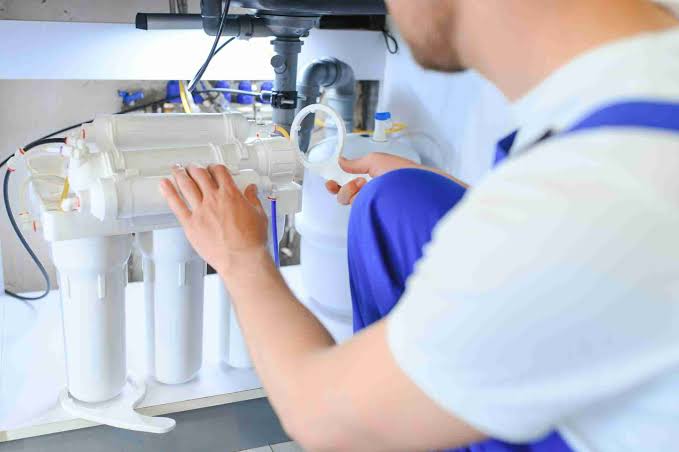
Once you understand the water quality issue, selecting treatment becomes more straightforward. A countertop or under-sink filter may be sufficient when the main goal is improving drinking-water taste or reducing a specific contaminant at one faucet.
A whole-house system may be more appropriate when the concern affects water throughout the property. However, whole-house treatment can cost more, require additional space, and involve more complex installation. It isn’t automatically the best choice for every contaminant or household.
Pay attention to maintenance costs as well. Filters have a finite capacity, and performance can decline when cartridges or membranes aren’t replaced as directed. Some systems also need regular sanitization, pressure checks, or professional servicing.
Water pressure, available installation space, wastewater production, and replacement cartridge availability should all factor into your decision. A system that performs well on paper but is difficult to maintain may not be the best long-term investment.
If you’re unsure, consider speaking with a qualified water treatment professional who can explain the test results and recommend options without exaggerating what a particular device can achieve.
Keeping Water Quality on Your Radar
Water quality isn’t necessarily a problem you solve once and never think about again. Local conditions can change, plumbing can deteriorate, and treatment equipment gradually wears out. Periodic testing and routine maintenance help ensure your chosen system continues to meet your needs.
Keep copies of laboratory results, filter replacement dates, and service records. If your water source changes or you receive a notice about a contamination concern, review your treatment setup rather than assuming it will handle the new issue automatically.
Above all, remember that better water treatment begins with good information. Specialty filters can address specific problems, PFAS reduction may require carefully selected technology, and professional testing can help distinguish genuine concerns from unnecessary purchases.
You don’t need the most expensive system on the market to make a sensible decision. You need a clear understanding of your water, a product supported by credible performance evidence, and a maintenance plan you can realistically follow. That approach offers something far more useful than marketing promises: a practical way to make informed choices about the water your household uses every day.
Related Posts