Better Water for Homes and Businesses: Finding Solutions for Unique Water Quality Challenges
Water quality is easy to overlook when everything seems to be working fine. But when rusty stains start appearing in the bathroom, drinking water develops an unusual taste, or business equipment requires constant descaling, the issue becomes much harder to ignore. Suddenly, something as ordinary as running water demands a surprising amount of attention.
For property owners across Virginia and Maryland, dependable well water treatment can help address specific groundwater concerns while improving the quality of water used throughout the property.
Of course, residential and commercial properties don’t always face the same challenges. Finding an appropriate treatment system begins with understanding where your water comes from, what’s affecting its quality, and how you use it.
Understanding the Challenges of Private Well Water
Having a private well offers a welcome sense of independence. However, it also means taking responsibility for monitoring and maintaining your water supply.
Groundwater naturally interacts with soil and underground rock formations, collecting minerals and other substances along the way. Environmental conditions can also influence its quality.
Some homeowners notice reddish stains caused by iron, while others struggle with unpleasant sulfur-like odors or excessive hardness.
Certain contaminants, including harmful microorganisms, may be present without producing any noticeable changes in appearance or taste.
Regular laboratory testing is therefore essential for private well owners. It helps identify underlying concerns before money is spent on equipment that might not address the actual problem.
Heavy rainfall, flooding, and well repairs are additional reasons to pay closer attention to water quality.
When an Ordinary Water Filter Isn’t Enough
A basic filtration system can be useful, but some water problems require a more targeted approach. Removing visible particles, for example, won’t necessarily resolve dissolved iron or persistent mineral buildup.
This is where specialty filtration becomes particularly valuable, allowing homeowners and business owners to select treatment technologies designed around specific water characteristics.
Specialized media may help reduce iron, manganese, or certain unwanted compounds. Acid-neutralizing equipment can address excessively acidic water, while ultraviolet disinfection may be appropriate for microbial concerns.
The right combination depends on reliable testing and the intended use of the treated water.
There’s little benefit in installing complicated equipment simply because it sounds impressive. Sometimes, a carefully selected treatment method delivers exactly what’s needed without adding unnecessary maintenance responsibilities.
Why Businesses Need a Different Approach to Water Quality
Imagine running a busy restaurant where mineral deposits frequently accumulate inside coffee machines and commercial dishwashers. Equipment maintenance becomes more demanding, and unexpected breakdowns can interrupt an otherwise productive day.
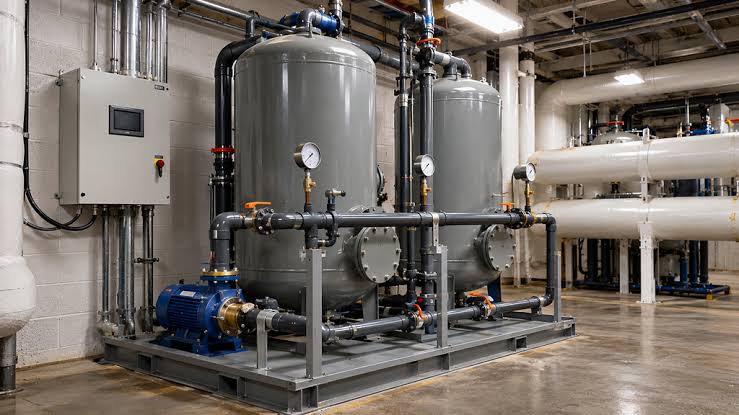
Reliable commercial water treatment helps businesses address specific water quality concerns while supporting operational efficiency and protecting compatible water-using equipment.
Restaurants, hotels, office buildings, and manufacturing facilities often have very different treatment requirements.
A restaurant may prioritize beverage quality and scale reduction, while a manufacturing facility might require water that meets particular production specifications.
Commercial systems must also accommodate higher consumption levels and changing demand throughout the day.
For business owners, selecting appropriate treatment equipment isn’t just about water quality. It’s also about managing operating expenses and avoiding unnecessary interruptions.
Finding Treatment Solutions That Work Together
Water sometimes presents several challenges at once. A property might experience excessive hardness alongside sediment and unpleasant odors.
In these situations, combining different treatment methods may offer a more practical solution.
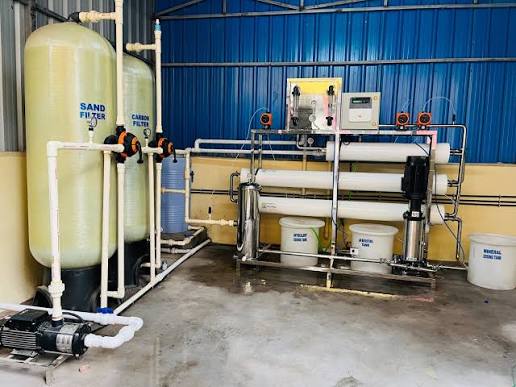
Sediment filtration can capture suspended particles, while activated carbon helps reduce certain unwanted tastes and odors. Conventional water softeners address dissolved hardness minerals, and membrane filtration can reduce selected dissolved contaminants.
Each technology has its own responsibilities and limitations.
A well-planned treatment arrangement considers how individual components interact. Appropriate preliminary filtration, for instance, can help protect certain downstream treatment equipment.
Understanding these relationships makes it easier to create a system that performs effectively without becoming unnecessarily complicated.
Looking Beyond the Initial Installation Cost
It’s understandable to focus on the purchase price when comparing water treatment equipment. However, the long-term costs deserve just as much attention.
Replacement filters, servicing expenses, electricity consumption, and water usage can influence the overall value of a treatment system.
For businesses, the financial impact of equipment downtime should also be considered.
Homeowners might have different priorities, such as manageable maintenance schedules and convenient access to replacement components.
Before investing in any system, ask how often it requires servicing and whether the equipment can accommodate your property’s demands.
An affordable system that constantly needs attention may eventually become more expensive than a properly sized alternative.
Keeping Water Treatment Equipment Dependable
Once treatment equipment is installed, it’s remarkably easy to forget about it. Most systems operate quietly behind the scenes, rarely attracting attention until something goes wrong.
Nevertheless, regular maintenance remains important.
Filter cartridges gradually accumulate debris or lose effectiveness, specialized media may require replacement, and ultraviolet lamps need periodic servicing.
Following manufacturer recommendations helps maintain treatment performance and identify developing problems.
Periodic water testing is equally valuable, particularly when equipment is intended to address potentially harmful contaminants.
Clearer water and improved taste are welcome changes, but they aren’t sufficient evidence of drinking water safety.
Making Better Water a Long-Term Priority
Whether you’re managing a family home, operating a neighborhood restaurant, or overseeing a commercial property, water quality influences countless everyday activities.
The best approach begins with reliable testing, realistic expectations, and treatment equipment selected for your specific circumstances.
There’s no need to make the process more complicated than necessary. A thoughtfully designed and properly maintained system can help address genuine concerns while supporting everyday convenience.
Better water is ultimately about more than installing equipment. It’s about protecting an essential resource, reducing avoidable frustrations, and making a sensible investment in the place where you live or work.
Related Posts